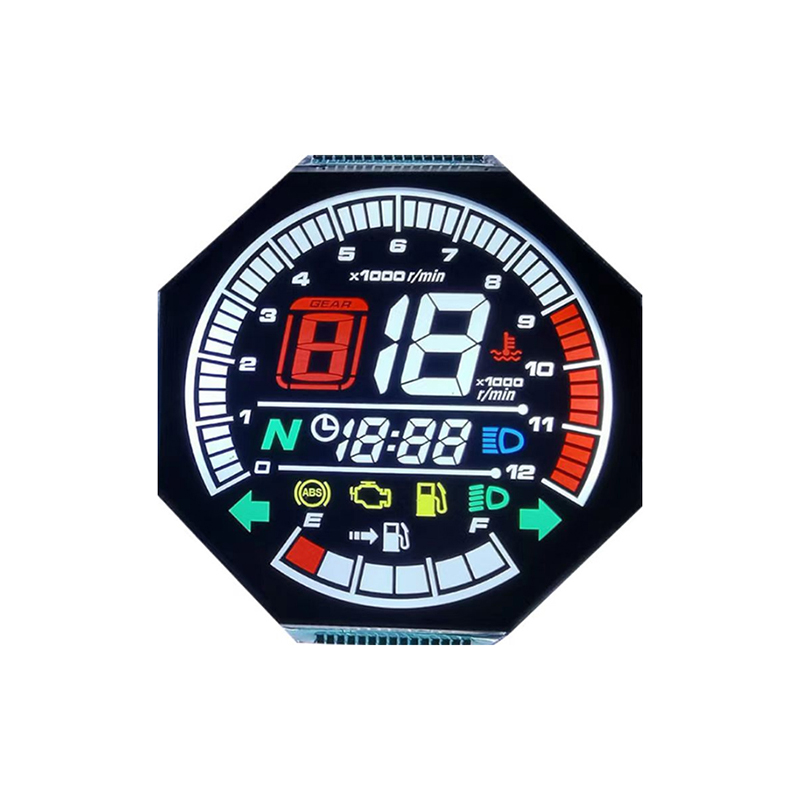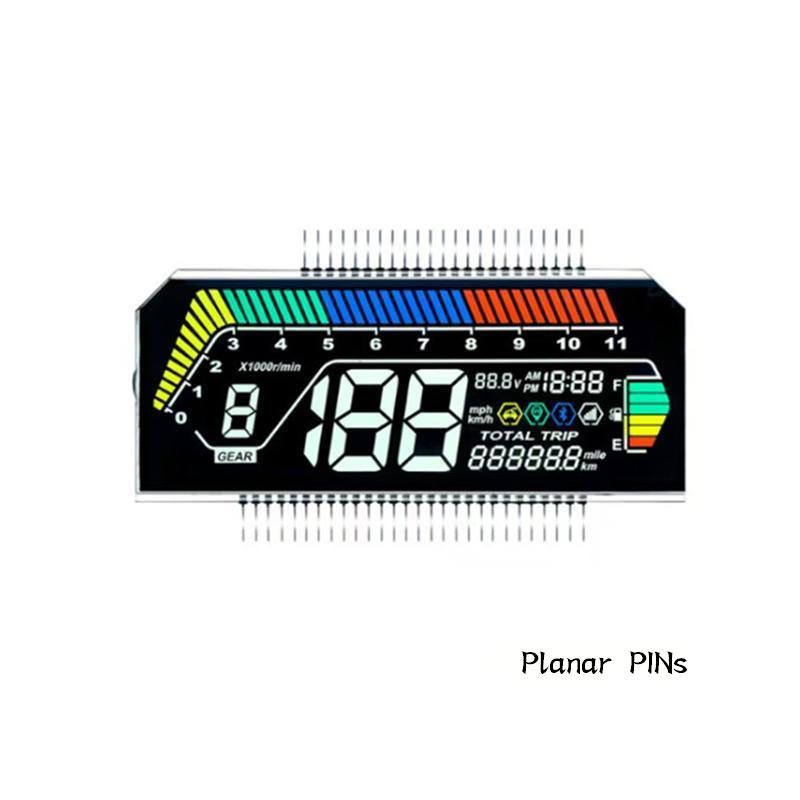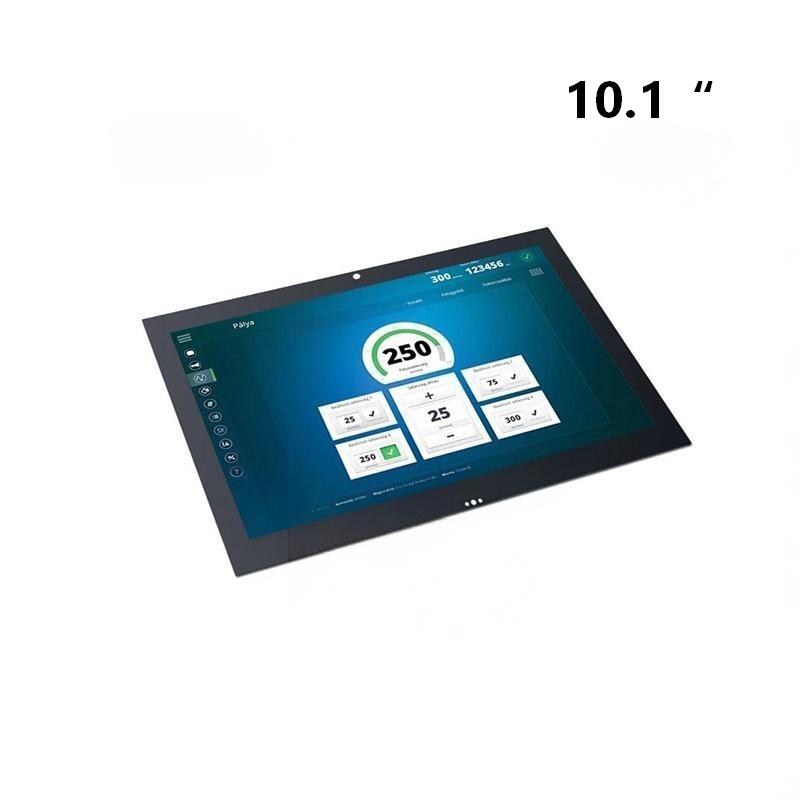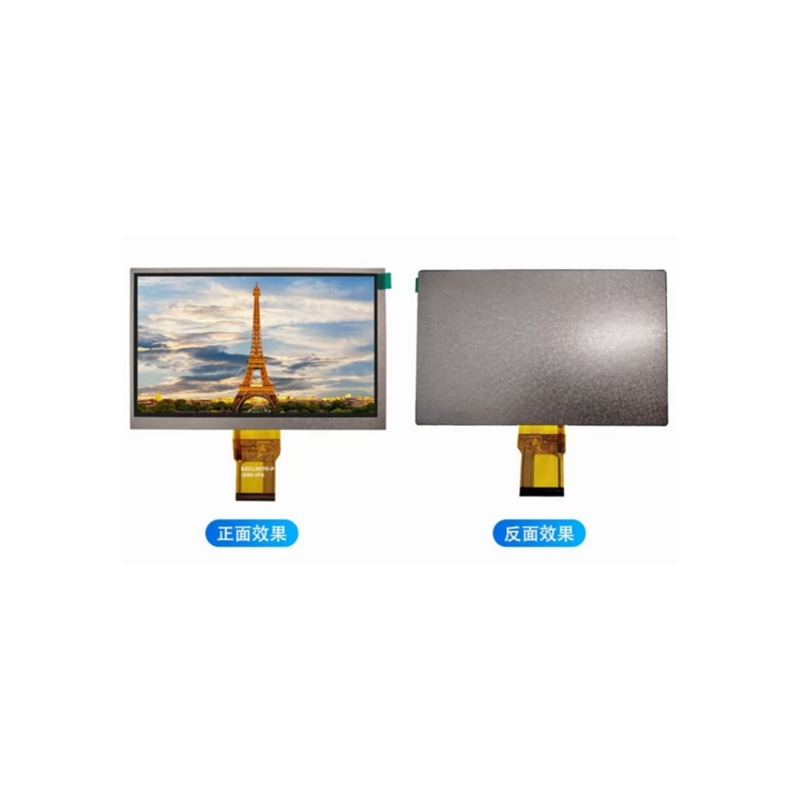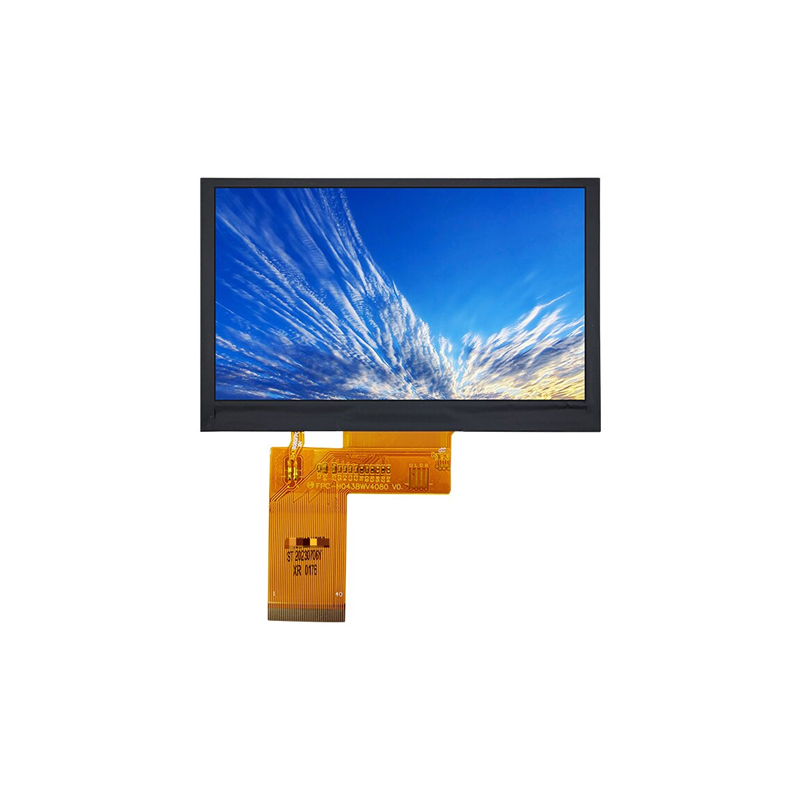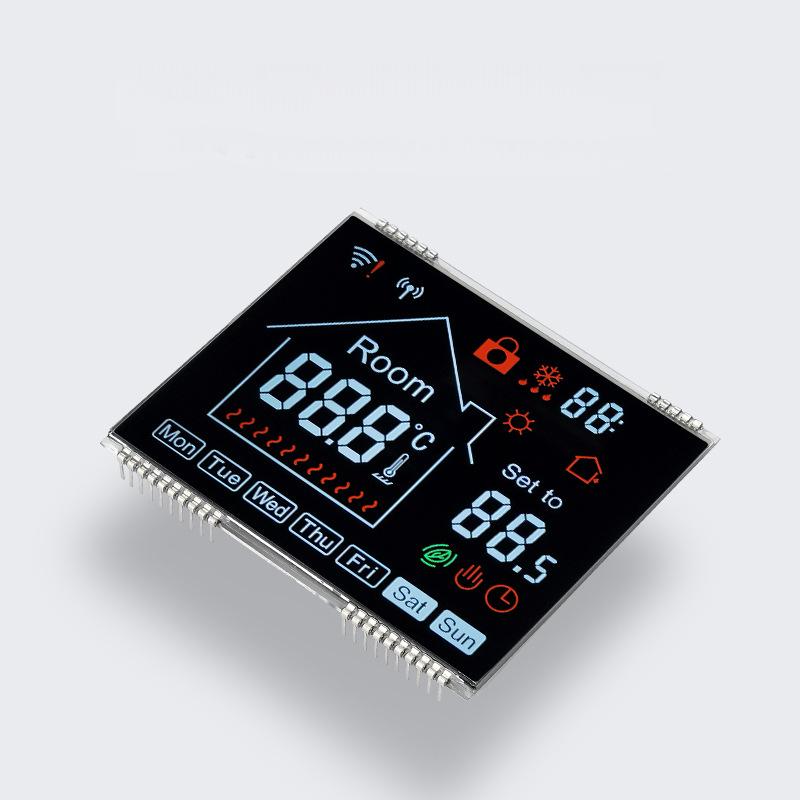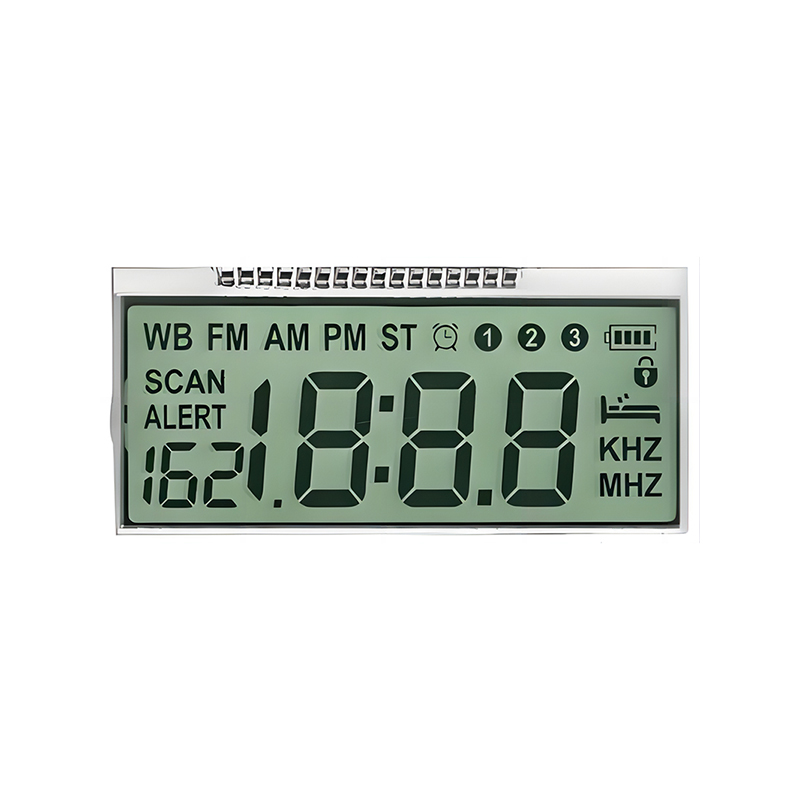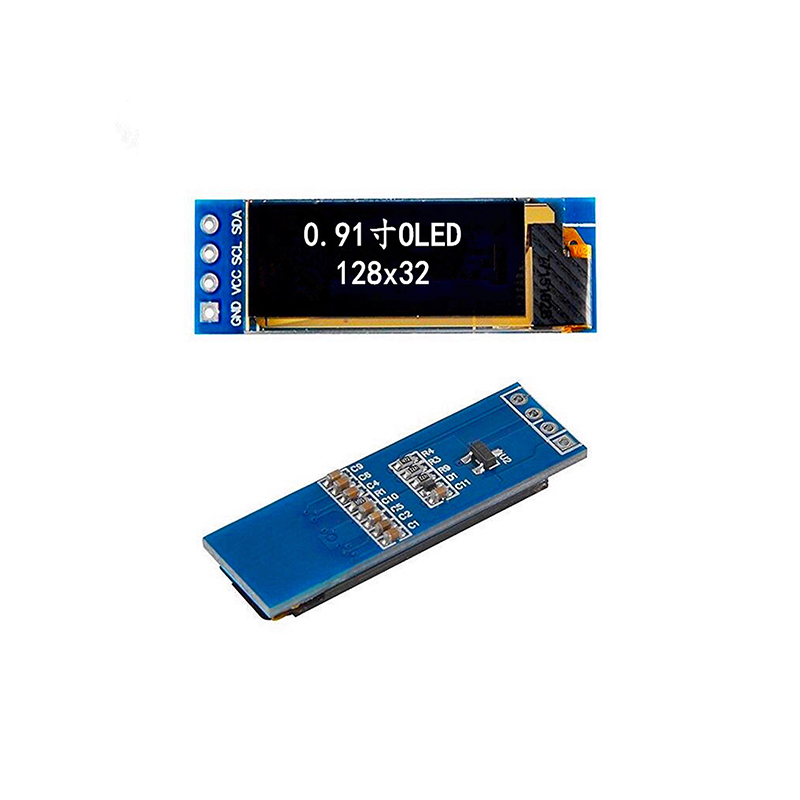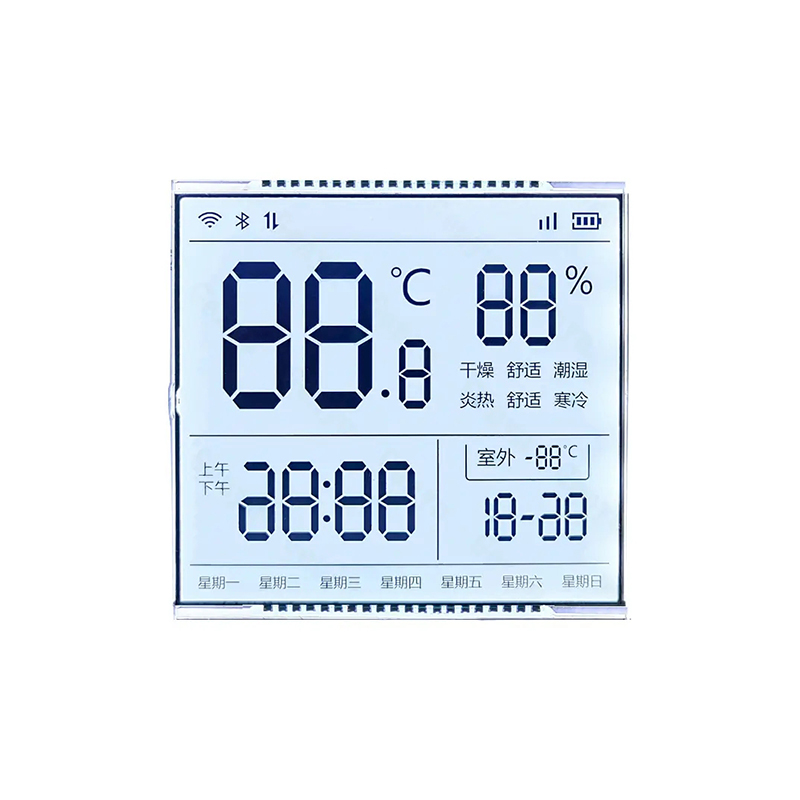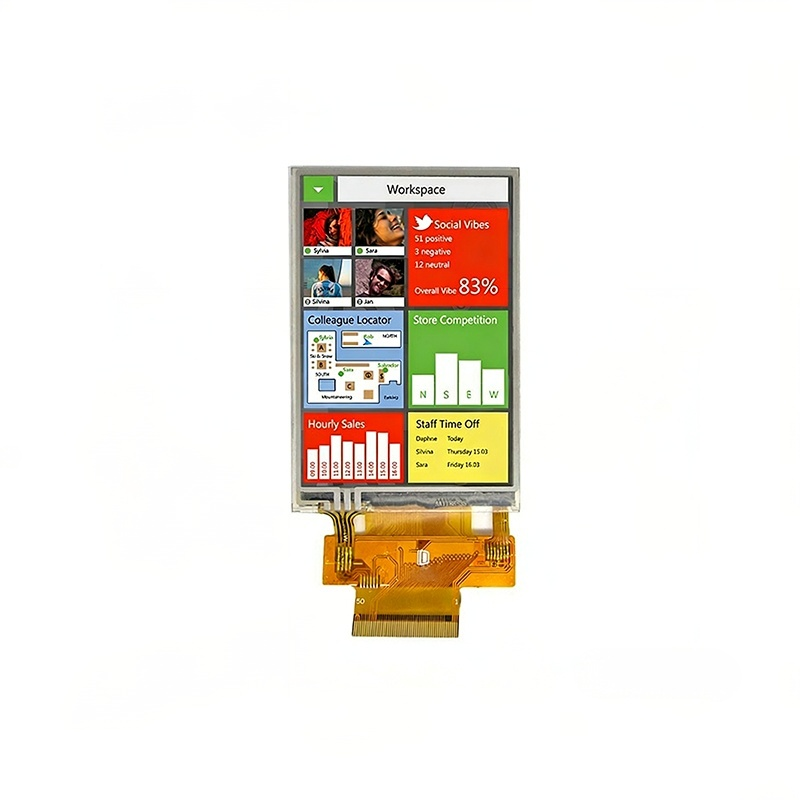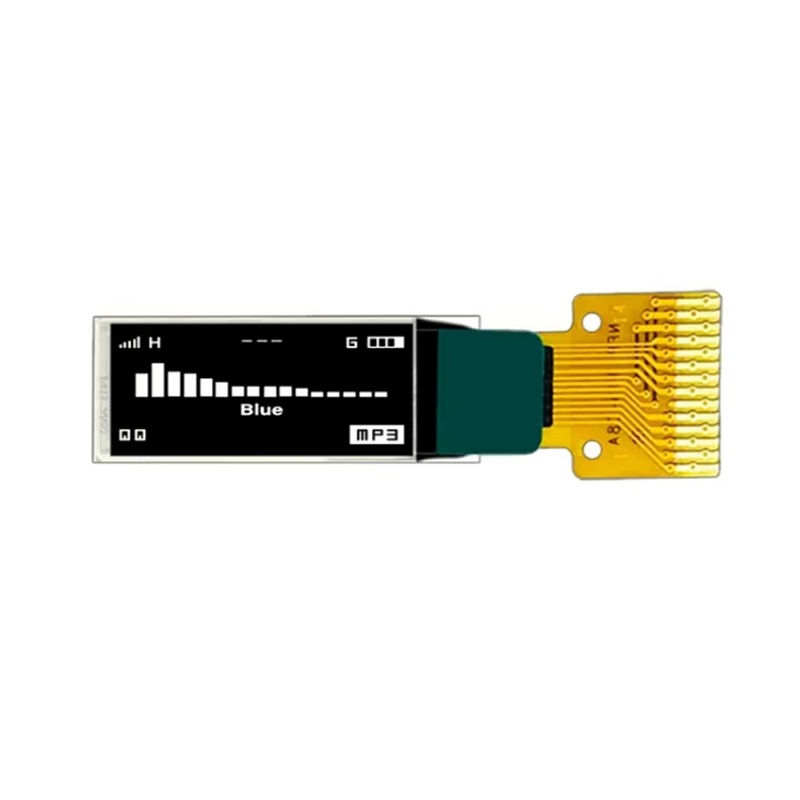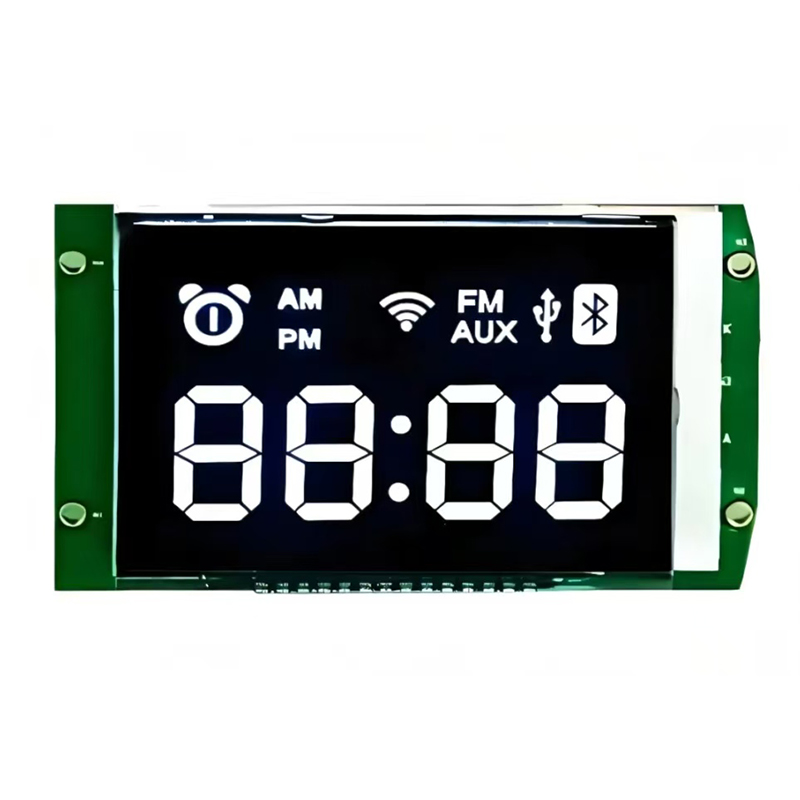
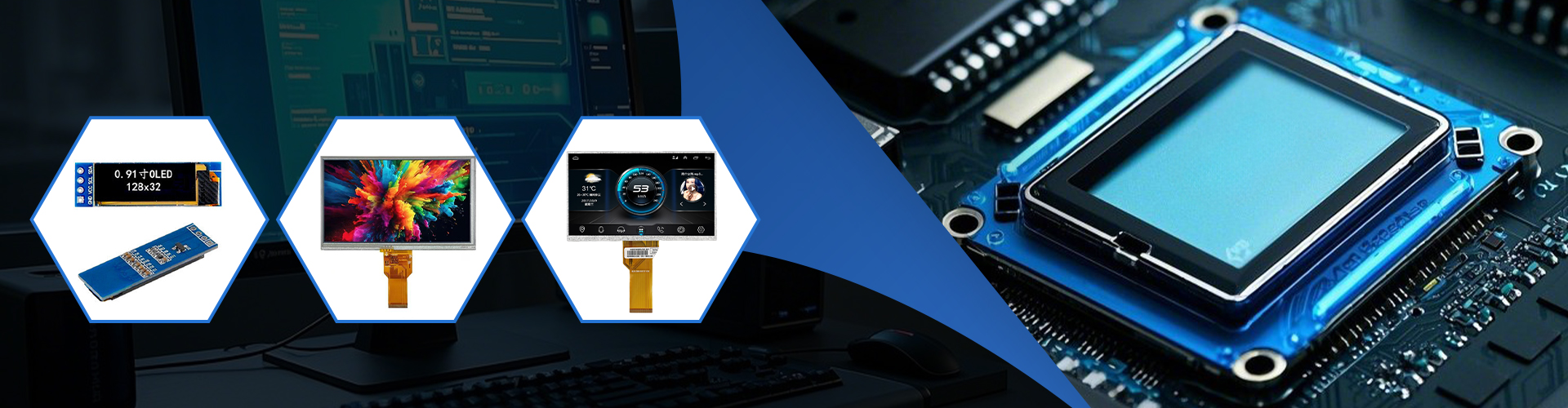
This article explores the state of Liquid Crystal Displays (LCDs) in 2004, examining technological advancements, market trends, and their impact on various industries. We'll delve into the key features and limitations of LCDs?2004 technology, comparing it to contemporary display solutions and highlighting its lasting legacy.
The year 2004 marked a significant point in LCD technology. While LCDs were already established in various applications, several key advancements were shaping the market. Resolution was steadily increasing, although the high-resolution displays available were often more expensive. Response times were a significant area of improvement, leading to more fluid video playback. Manufacturers were also focusing on improving contrast ratios and brightness. The move towards wider viewing angles was also a prominent development, addressing a key limitation of earlier LCD technologies. Many advancements in this era laid the foundation for the ubiquitous displays we see today.
In 2004, LCDs?2004 found applications across a range of sectors. Desktop monitors were rapidly transitioning from CRTs to LCDs, driven by their slimmer profiles and lower power consumption. The burgeoning laptop market also heavily relied on LCD technology, with screens becoming increasingly integrated into portable devices. LCDs were also integral to the emerging flat-panel television market, although plasma displays still held a significant share. In other areas, like mobile phones and digital cameras, smaller and more power-efficient LCDs played a crucial role. The prevalence of LCD technology across various industries showcased its adaptability and growing dominance.
Compared to modern displays, LCDs?2004 had certain limitations. Response times were still slower than what we expect today, potentially leading to motion blur. Contrast ratios were also less impressive, resulting in less vibrant colors and a less dynamic image. Black levels were often not as deep, affecting the overall image quality. However, significant strides were made in these areas, and the improvements made were quite noticeable to consumers at the time. The power consumption was lower than CRTs, but still higher than what we've come to expect from modern, energy-efficient panels. A summary of these key features and limitations can be seen in the following table:
| Feature | 2004 LCDs | Modern LCDs |
|---|---|---|
| Response Time | Generally slower (e.g., 16ms-25ms) | Significantly faster (e.g., 1ms-5ms) |
| Contrast Ratio | Lower (e.g., 500:1 - 700:1) | Much higher (e.g., 1000:1 and above) |
| Resolution | Lower resolutions were common, high resolutions were expensive | Much higher resolutions are now common and more affordable. |
The LCD technology of 2004, while now outdated, played a crucial role in the transition from CRTs to flat-panel displays. It paved the way for the widespread adoption of LCDs in various devices, creating the foundation for the advanced displays we have today. Understanding the technological landscape of that era helps appreciate the significant advancements made in display technology over the past two decades. For more information on current LCD technology and advancements, please check out Dalian Eastern Display Co., Ltd., a leading provider of high-quality LCD solutions.
Further research on specific manufacturers and their models from 2004 can provide a more granular understanding of the characteristics and performance of LCDs?2004.
獗?jpg)