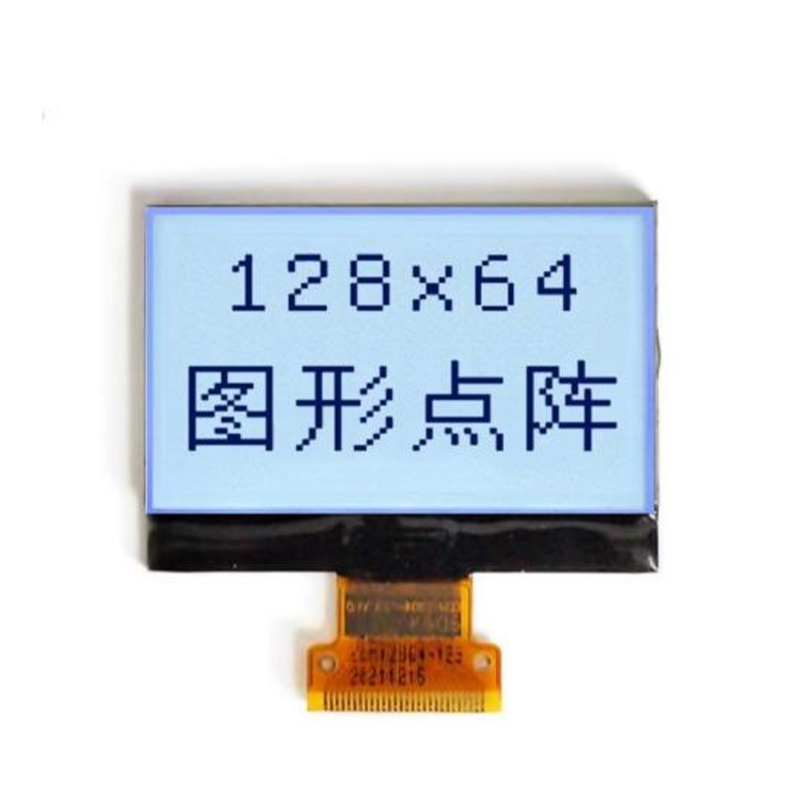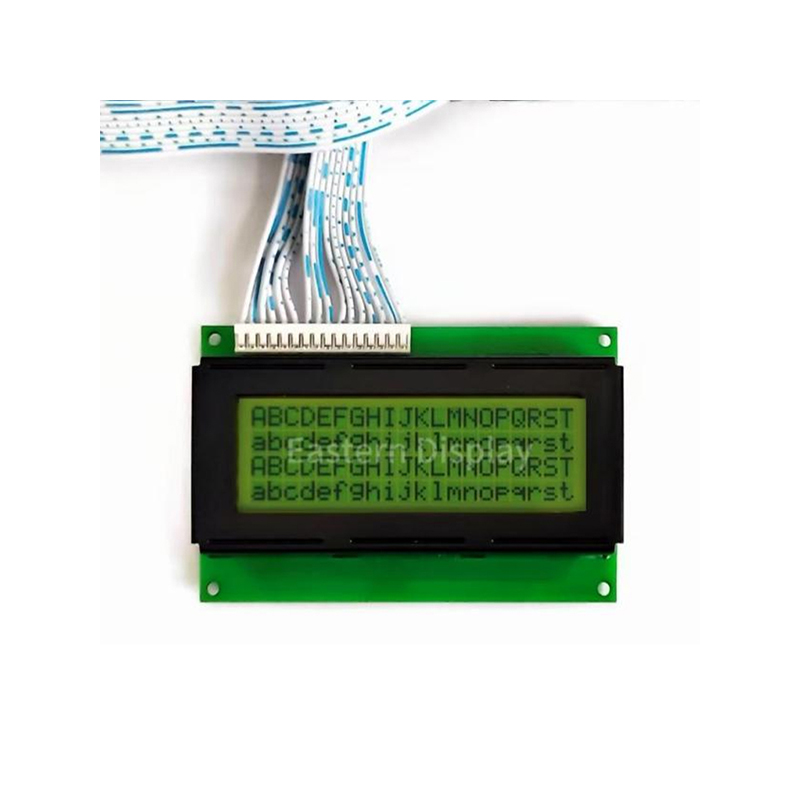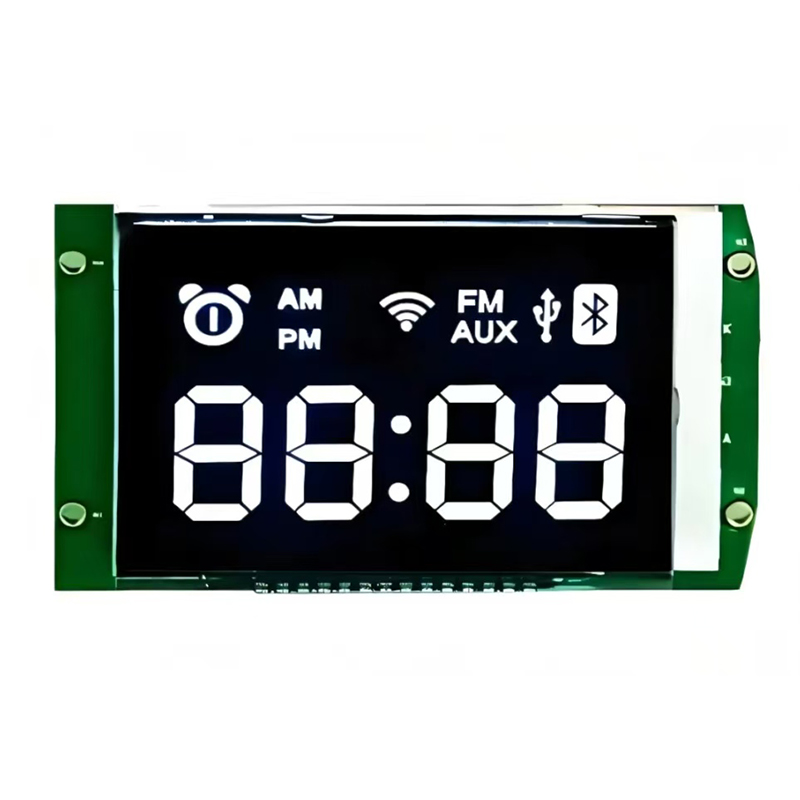
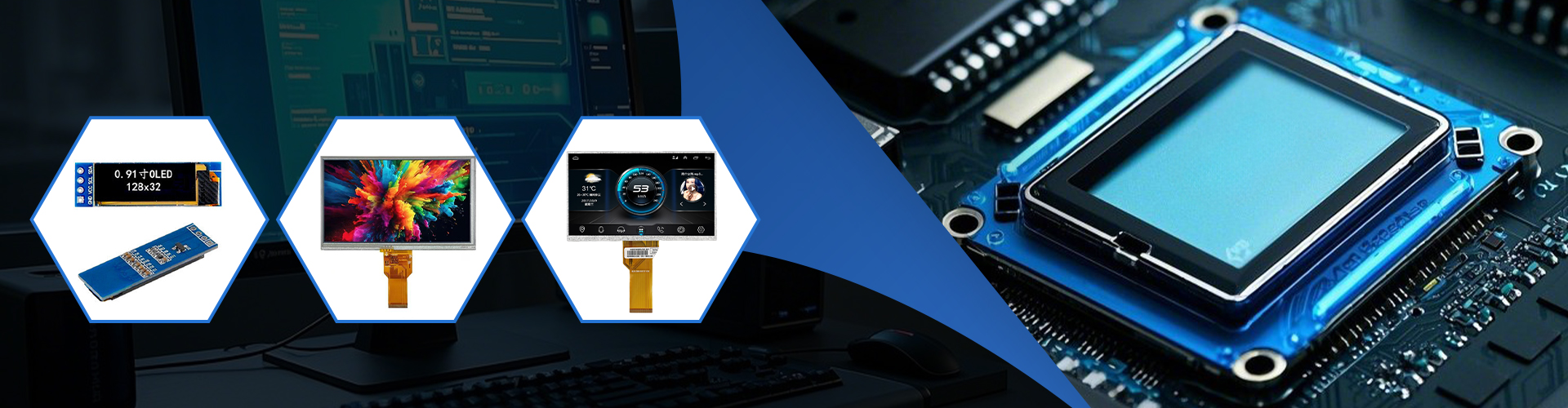
This comprehensive guide helps you select the ideal 5 inch TFT display for your Arduino project. We'll explore various options, specifications, and considerations to ensure your project's success. Learn about different display types, interfaces, and how to seamlessly integrate them with your Arduino board. Discover resources to assist in your selection process and get started building your next innovative project today.
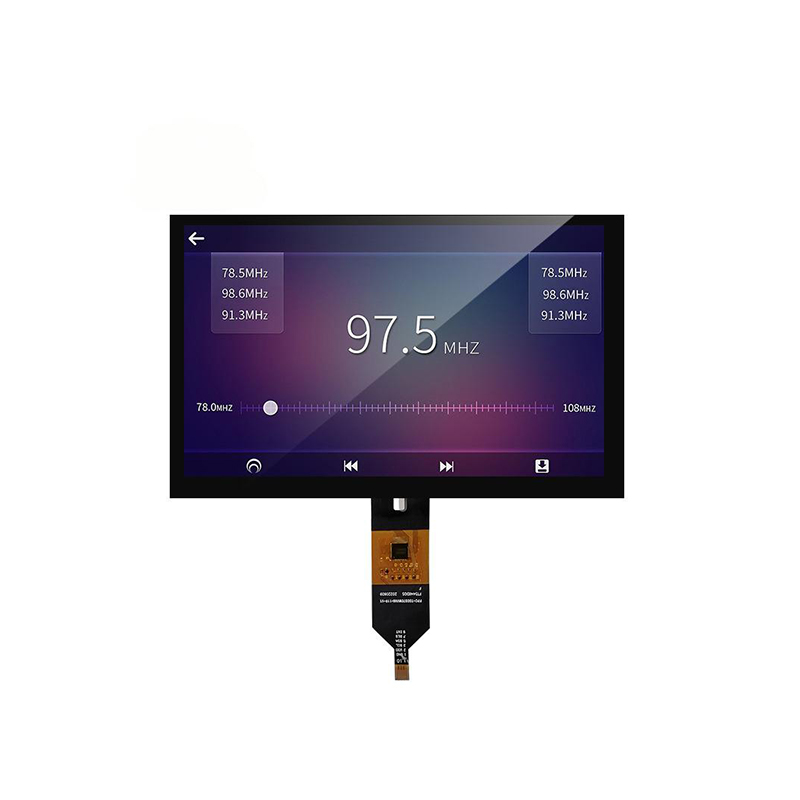
A Thin-Film Transistor (TFT) display is a type of liquid crystal display (LCD) known for its vibrant colors and sharp images. Unlike passive-matrix LCDs, TFT displays utilize a transistor for each pixel, enabling faster response times and higher resolutions. In the context of Arduino projects, a 5 inch TFT display provides a large canvas for displaying information, graphics, and user interfaces.
Several interfaces are commonly used to connect 5 inch TFT displays to Arduino boards. The most popular include SPI (Serial Peripheral Interface) and parallel interfaces. SPI is generally preferred due to its fewer required pins and simpler wiring. Understanding your chosen display's interface is crucial for successful integration.
5 inch TFT displays come in various resolutions, impacting image clarity and detail. Higher resolutions require more processing power and memory from your Arduino, so selecting the right resolution is essential based on your project's complexity. Factors like viewing angle, brightness, and contrast ratio also play vital roles in the overall user experience.
The market offers several excellent 5 inch TFT display options compatible with Arduino. Researching specifications and comparing features is vital before making a purchase. Here's a table comparing some key features of popular models (note that specific models and availability may change, please check with retailers for the most up-to-date information):
| Model | Resolution | Interface | Features |
|---|---|---|---|
| ILI9488 based display | 800x480 | SPI | Widely available, good price-performance ratio |
| ST7789 based display | 240x320 (some models offer higher) | SPI | High color depth, relatively low cost |
Remember to always check the datasheet for the specific 5 inch TFT display you choose to ensure compatibility with your Arduino board and project requirements.
Connecting your 5 inch TFT display involves careful wiring according to the display's datasheet. Using the correct Arduino library is essential for controlling the display and displaying graphics or text. Popular libraries include Adafruit_GFX and specific libraries for individual display controllers (like ILI9488 or ST7789).
Below is a basic example using the Adafruit_GFX library (remember to install the necessary library for your specific display):
#include // ... other includes and pin definitions ...void setup() { // ... initialize display ... tft.fillScreen(ST77XX_BLACK); tft.setCursor(0, 0); tft.println(Hello, world!);}void loop() { // ... your code here ...} This simple example demonstrates printing text to the screen. You can expand upon this by using various graphics functions provided by the library to create complex user interfaces.
For high-quality 5 inch TFT displays and related components, consider exploring reputable suppliers. One such option is Dalian Eastern Display Co., Ltd., a leading provider of LCD modules and displays. They offer a wide range of products and excellent customer support.
Choosing the right 5 inch TFT display for your Arduino project depends on your project's specific needs. Carefully consider the display's resolution, interface, and features to ensure a seamless integration and an optimal user experience. Remember to consult datasheets and utilize appropriate libraries for successful implementation. Happy building!



.jpg)