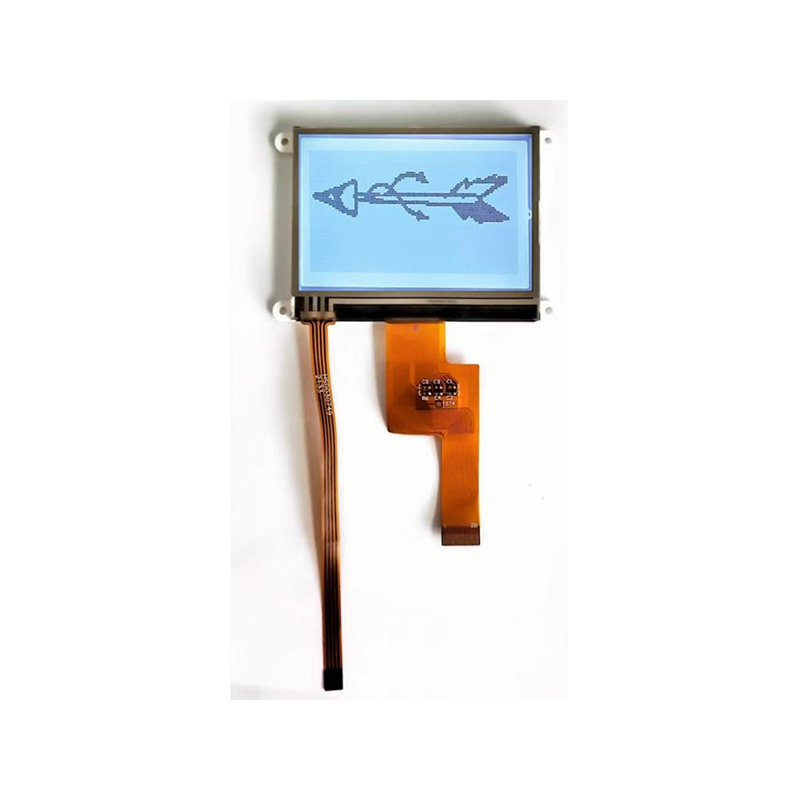
Low Power LCD Displays: A Comprehensive GuideChoosing the right low power LCD display is crucial for many applications, from portable devices to energy-conscious industrial systems. This guide explores the key factors to consider when selecting a low power LCD, providing practical advice and real-world examples.
Understanding Low Power LCD Technology
What makes an LCD low power?
The power consumption of an LCD is determined by several factors, primarily the backlight type and the LCD controller's efficiency. Traditional LCDs with fluorescent backlights (CCFL) consume significantly more power than those utilizing LEDs, especially the more recent, energy-efficient options like white LEDs or edge-lit LED backlights. The controller's efficiency also plays a crucial role; advanced controllers can dynamically adjust the backlight intensity and pixel refresh rates, further minimizing power usage. Selecting a
low power LCD often means opting for LED backlights and an efficient controller. You can find a wide variety of these displays from manufacturers like Dalian Eastern Display Co., Ltd. (
http://m.ac163.com.cn/), a leader in the field.
Types of Low Power Backlights
| Backlight Type | Power Consumption | Advantages | Disadvantages |
| LED Backlight (Direct-lit) | Low | Uniform brightness, good color reproduction | Higher cost than edge-lit |
| LED Backlight (Edge-lit) | Medium | Lower cost than direct-lit, thinner profile | Potential for uneven brightness |
| Transflective LCD | Very Low | Uses ambient light, minimal power consumption | Lower brightness in low-light conditions |
Key Factors to Consider When Choosing a Low Power LCD
Power Consumption Specifications
Always check the manufacturer's datasheet for the exact power consumption figures under various operating conditions. Look for displays that specify their typical and maximum power draw, as well as the operating voltage. Compare this data across different
low power LCD models to make an informed choice.
Display Size and Resolution
Larger displays generally consume more power. Higher resolutions also increase power consumption, although advancements in LCD technology are mitigating this effect. Consider the optimal size and resolution necessary for your application, balancing performance with energy efficiency.
Operating Temperature Range
Some
low power LCDs operate more efficiently within a specific temperature range. Check the datasheet for this information, particularly if your application involves outdoor use or extreme environments.
Interface and Controller
The interface and controller used in the LCD can influence its power consumption. Some controllers offer advanced power-saving features like dynamic backlight control and low-power modes.
Applications for Low Power LCDs
Low power LCD displays find applications in various sectors: Portable Devices: Smartphones, tablets, and wearable technology heavily rely on
low power LCDs to maximize battery life. Industrial Control Systems: In energy-sensitive industrial applications,
low power LCDs reduce operational costs and minimize environmental impact. Medical Devices: Portable medical devices benefit from the extended operation times provided by
low power LCDs. Automotive Systems: In-vehicle displays increasingly utilize
low power LCDs for fuel efficiency and reduced emissions.Choosing the right
low power LCD requires careful consideration of various factors. By understanding the technology and key specifications, you can select the most appropriate display for your specific application and maximize energy efficiency. Remember to consult the manufacturer's documentation for detailed technical information.