国产精品无码AV一区二区白带-国产欧美又粗又猛又爽老-肥臀熟妇一区二区三区-久亚洲一线产区二线产区在线-制服丝袜 一区二区-非洲老头阴茎超长黄色片-国产精品一二三区高潮视-成年女人看片永久免费视频-中文字幕欧美三级精品

Dalian Eastern Display Co., Ltd.

+86-411-39966586

16x2 oled display

16x2 oled display

This guide provides a detailed overview of 16x2 OLED displays, covering their specifications, applications, advantages, and considerations for selection. We'll explore different types, common uses, and factors to consider when integrating them into your projects. Learn about their power efficiency, readability, and more.

Understanding 16x2 OLED Displays

What is an OLED Display?

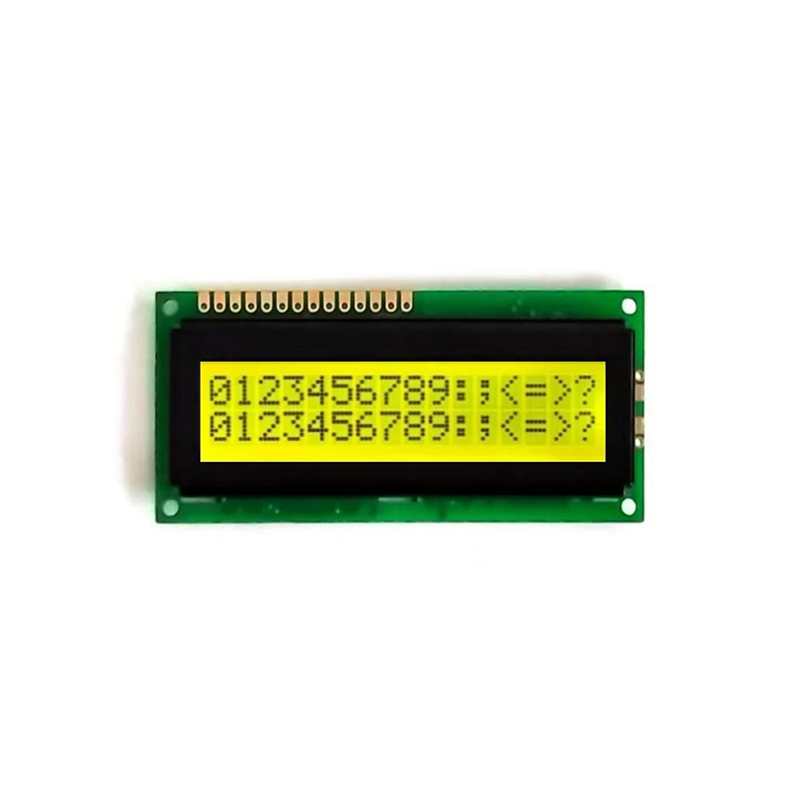
An OLED (Organic Light-Emitting Diode) display is a type of electronic display technology that uses organic compounds to emit light when an electric current is applied. Unlike LCDs (Liquid Crystal Displays) which require a backlight, OLEDs produce their own light, resulting in superior contrast, deeper blacks, and wider viewing angles. A 16x2 OLED display, specifically, refers to a display with 16 characters per line and 2 lines of text.

Key Specifications and Features of a 16x2 OLED

16x2 OLED displays typically have the following specifications:

  • Character size: Varies depending on the manufacturer and model.
  • Interface: Often uses I2C or SPI communication protocols. This makes integration into microcontroller projects relatively straightforward.
  • Power consumption: Generally low, making them suitable for battery-powered applications.
  • Operating voltage: Typically 3.3V or 5V.
  • Brightness: Can vary widely depending on the model; look for models with adjustable brightness for optimal power management and readability.

Types of 16x2 OLED Displays

While the core functionality remains the same, 16x2 OLED displays can differ in several aspects:

  • Color: Most common are monochrome (usually blue or white), but some color options exist.
  • Size and Physical Dimensions: The physical dimensions vary slightly from manufacturer to manufacturer, so always check the specifications before purchasing.
  • Interface: While I2C and SPI are common, some models may use other interfaces.

Applications of 16x2 OLED Displays

Common Uses in Electronics Projects

16x2 OLED displays are extremely versatile and find applications in various electronics projects:

  • Data logging and display
  • Simple user interfaces (UI) for embedded systems
  • Sensor readings display
  • Debug messages for microcontroller programming
  • Basic information display for handheld devices

Choosing the Right 16x2 OLED Display

Factors to Consider

When selecting a 16x2 OLED display, consider the following:

  • Interface compatibility with your microcontroller (I2C or SPI)
  • Required character size and font
  • Power consumption requirements
  • Operating voltage
  • Brightness and readability in different lighting conditions
  • Physical size and mounting options
  • Price and availability

Where to Buy 16x2 OLED Displays

Many online retailers offer a wide selection of 16x2 OLED displays. For high-quality displays and excellent customer service, consider exploring suppliers specializing in display technology such as Dalian Eastern Display Co., Ltd. They offer a range of LCD and OLED displays for diverse applications.

Conclusion

16x2 OLED displays are a powerful and efficient solution for displaying text information in a variety of embedded systems. Understanding their specifications, applications, and selection criteria will help you choose the optimal display for your next project. Remember to consider factors like power consumption, interface compatibility, and readability when making your decision.
Related Products

Related Products

Best Selling Products

Best Selling Products
Home
Products
About Us
? Contact Us

Please leave us a message