OLED vs. TFT Display: A Deep Dive into Screen TechnologyUnderstanding the Differences and Choosing the Right Display for Your Needs
This comprehensive guide explores the key differences between OLED and TFT displays, helping you understand which technology best suits your specific requirements. We'll delve into their respective strengths and weaknesses, comparing image quality, power consumption, cost, and applications. Whether you're a tech enthusiast, a professional seeking displays for a specific project, or simply curious about display technology, this article provides a clear and informative overview.
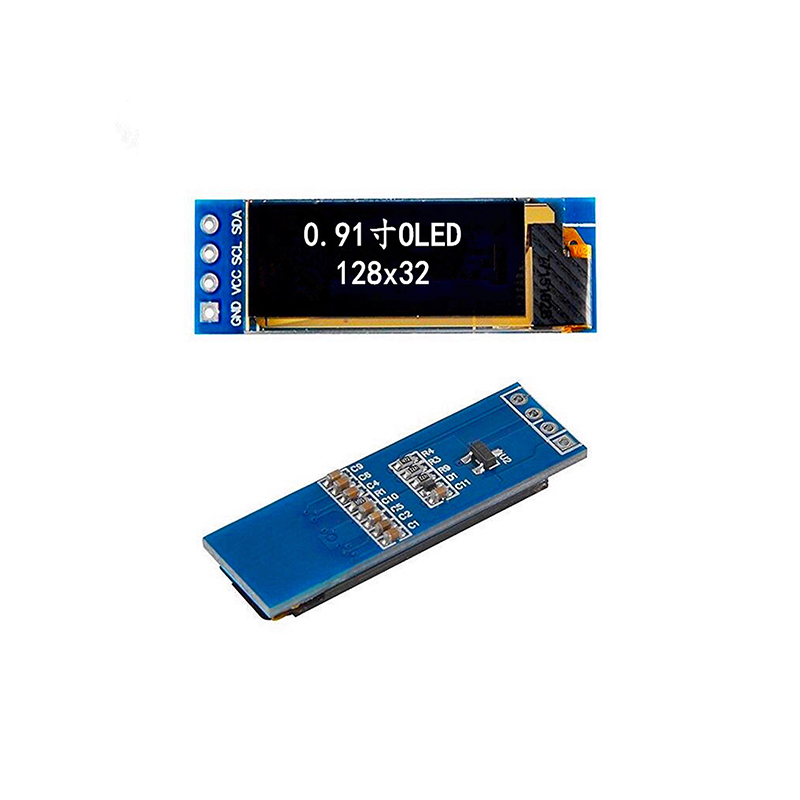
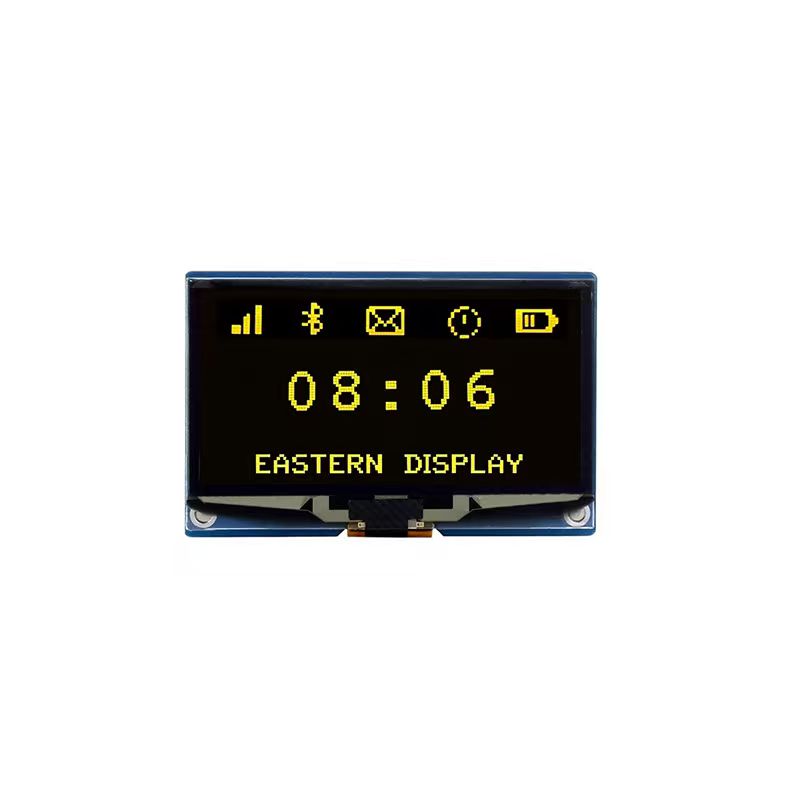
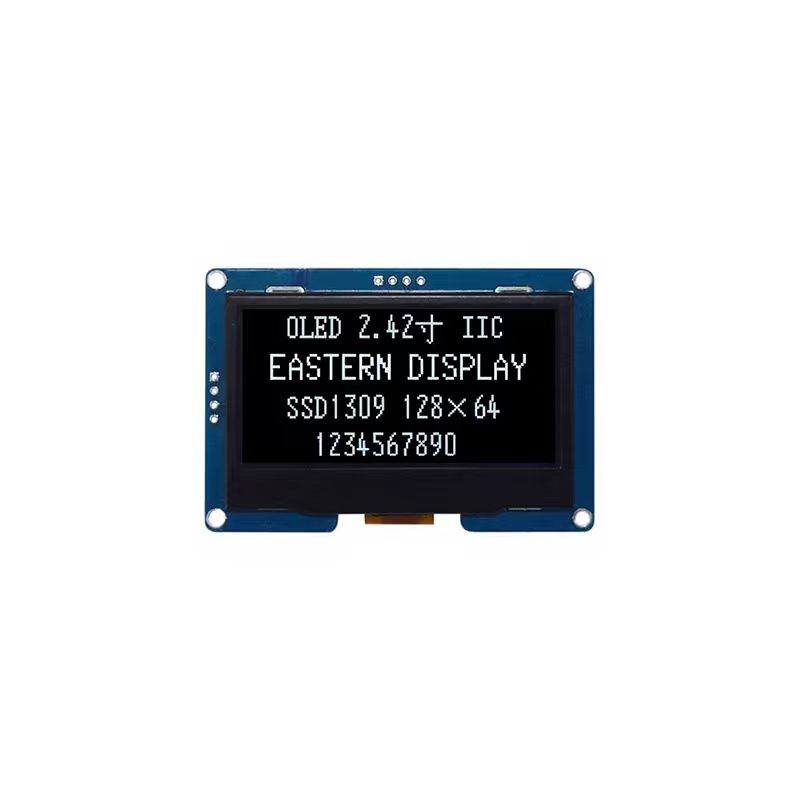
OLED (Organic Light-Emitting Diode) displays utilize organic compounds that emit light when an electric current is applied. Each pixel is self-emissive, meaning it doesn't require a backlight. This results in superior contrast ratios, deeper blacks, and vibrant colors. The absence of a backlight also contributes to thinner and more flexible display designs. However, OLED displays can be more expensive than TFT displays and are susceptible to burn-in, where static images leave a permanent mark on the screen. Burn-in is less prevalent in modern OLED technology thanks to improved pixel refresh rates and other advancements. Dalian Eastern Display Co., Ltd. (http://m.ac163.com.cn/) offers a wide range of display solutions.
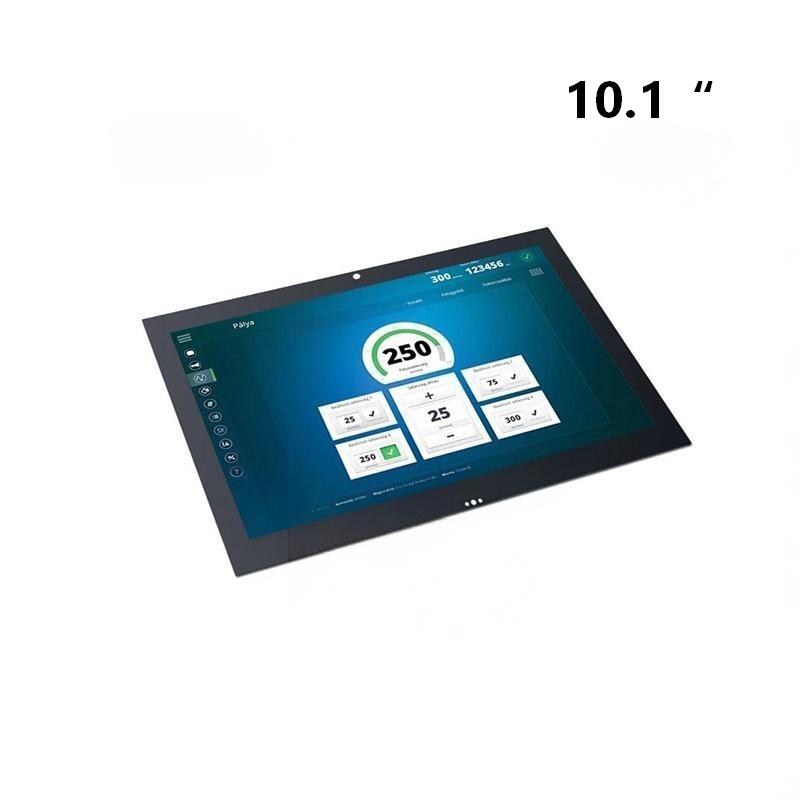
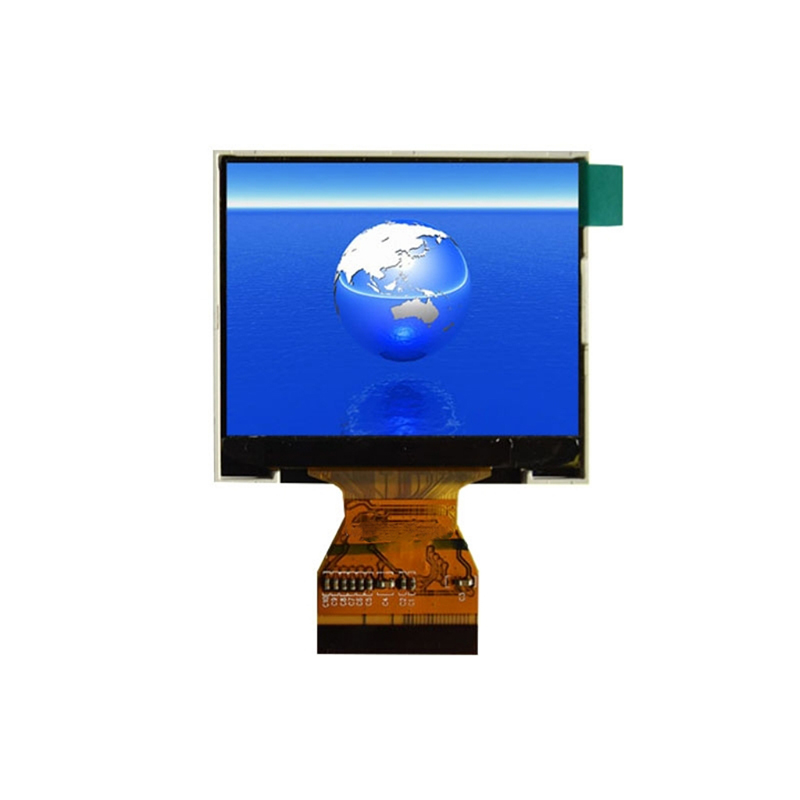
TFT (Thin-Film Transistor) displays are a type of LCD (Liquid Crystal Display) that utilize transistors to control individual pixels. Unlike OLED, TFT displays require a backlight to illuminate the liquid crystals. This results in generally lower contrast ratios and less vibrant colors compared to OLED. However, TFT displays are generally more affordable and less prone to burn-in. Different types of backlights, like LED backlights, can enhance the image quality of TFT displays significantly.
Let's break down the key differences in a table for easier comparison:
| Feature | OLED | TFT |
|---|---|---|
| Image Quality | Superior contrast, deeper blacks, vibrant colors | Lower contrast, less vibrant colors (can be improved with advanced backlights) |
| Power Consumption | Generally lower, especially for dark scenes | Higher, due to the backlight |
| Cost | Higher | Lower |
| Response Time | Generally faster | Can vary, depends on the specific panel |
| Burn-in | Potential for burn-in, but less prevalent in modern displays | Less prone to burn-in |
| Viewing Angle | Wide viewing angles | Wide viewing angles, can vary depending on the panel |
OLED displays are frequently found in high-end smartphones, premium televisions, and other devices where superior image quality is paramount. TFT displays, on the other hand, are widely used in a broader range of applications, including laptops, monitors, tablets, and even some televisions, due to their lower cost and wider availability. The choice between OLED and TFT often depends on the budget and the desired level of image quality.
The optimal choice between OLED and TFT displays depends heavily on your priorities. If image quality is your top priority and budget is less of a concern, OLED offers a superior viewing experience. If you need a more affordable option with good performance and are less concerned about achieving the absolute best image quality, TFT is a perfectly viable choice. Consider your specific needs and budget to make the best decision for your project or purchase.
1 Data compiled from various manufacturer specifications and industry reports.