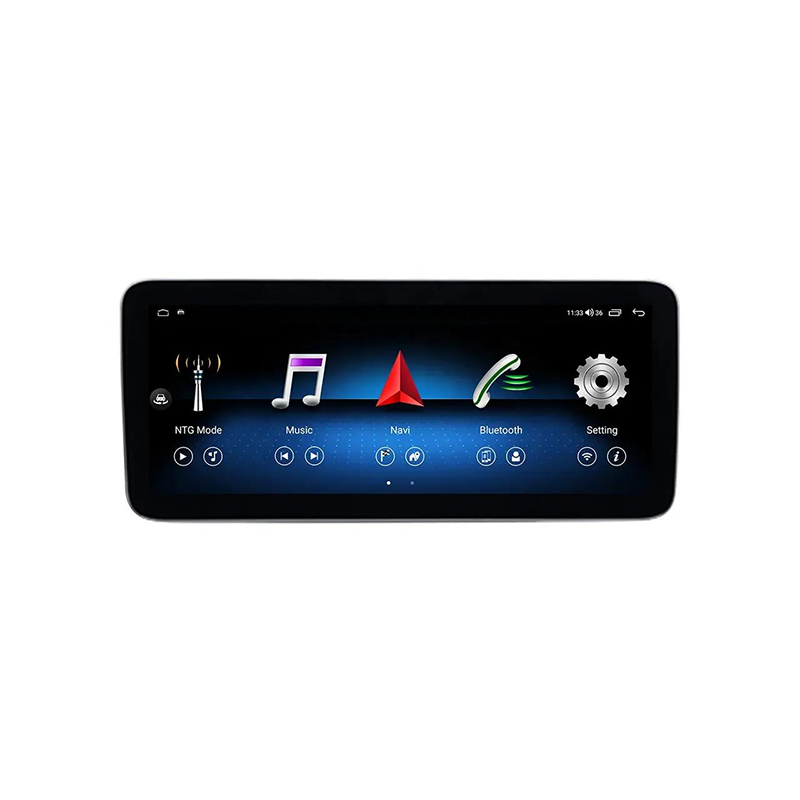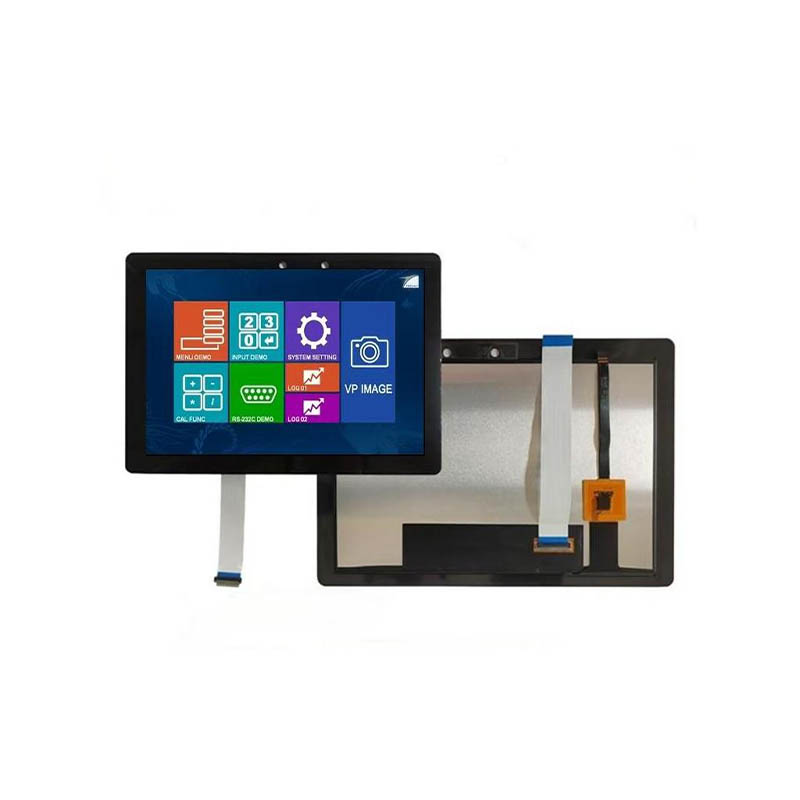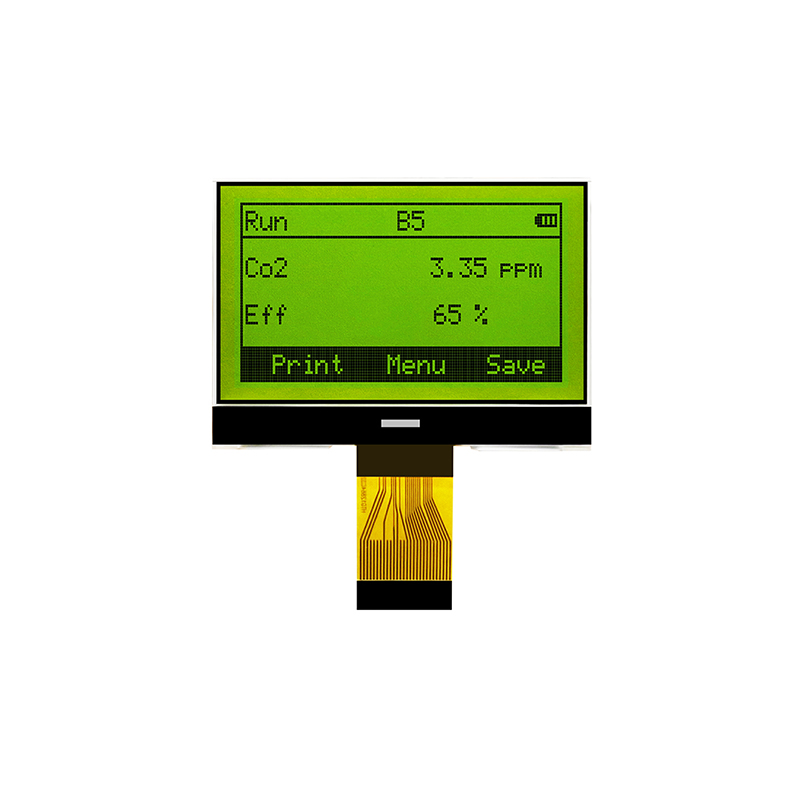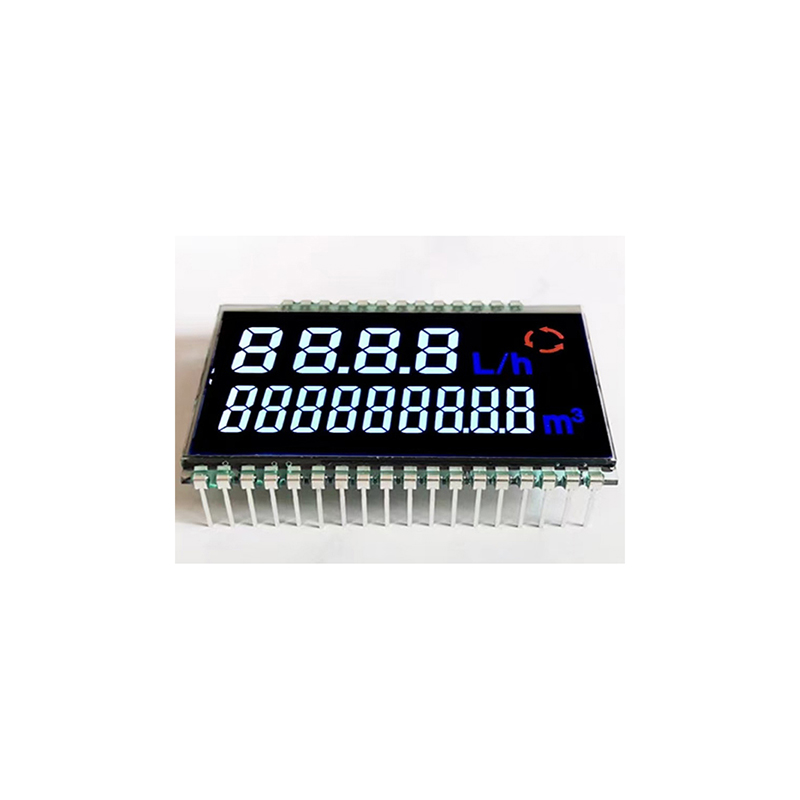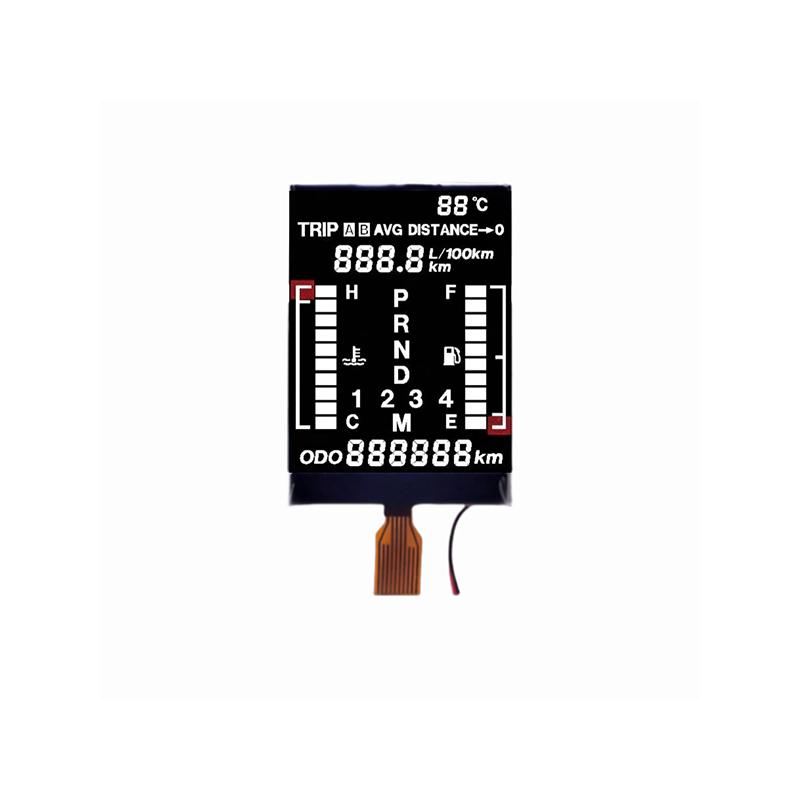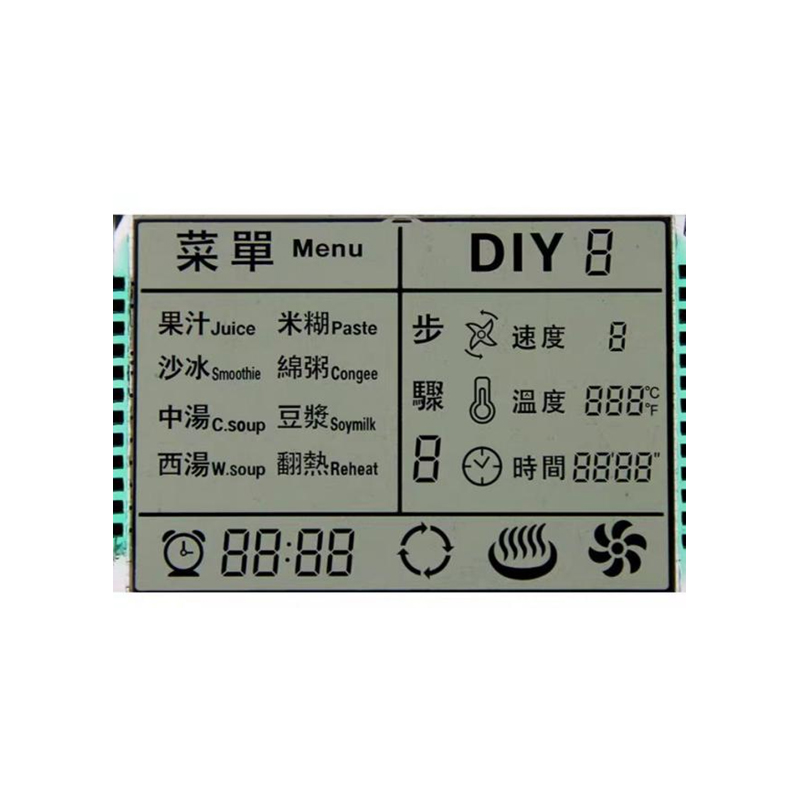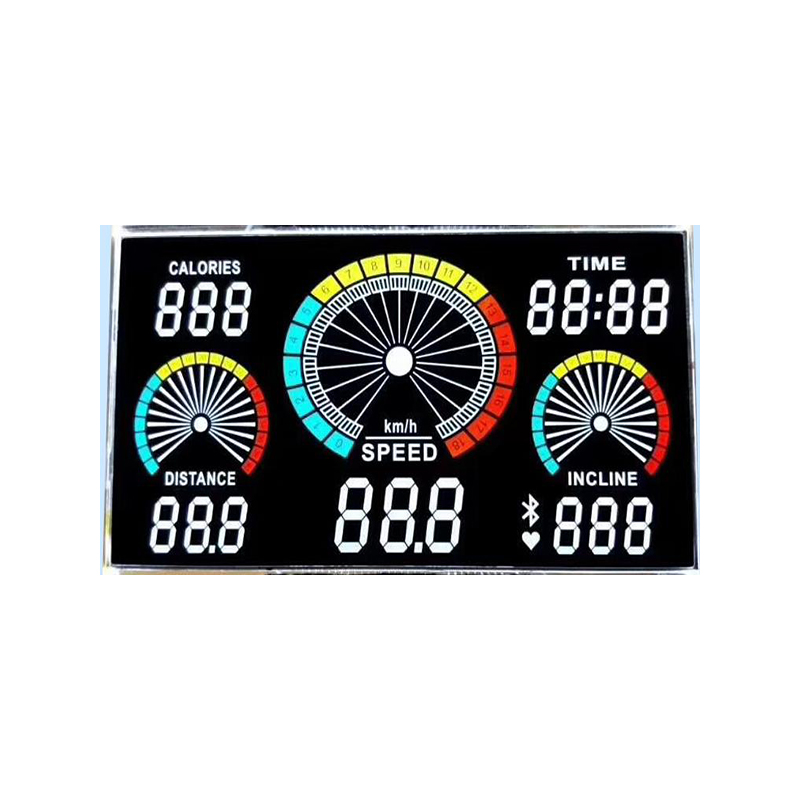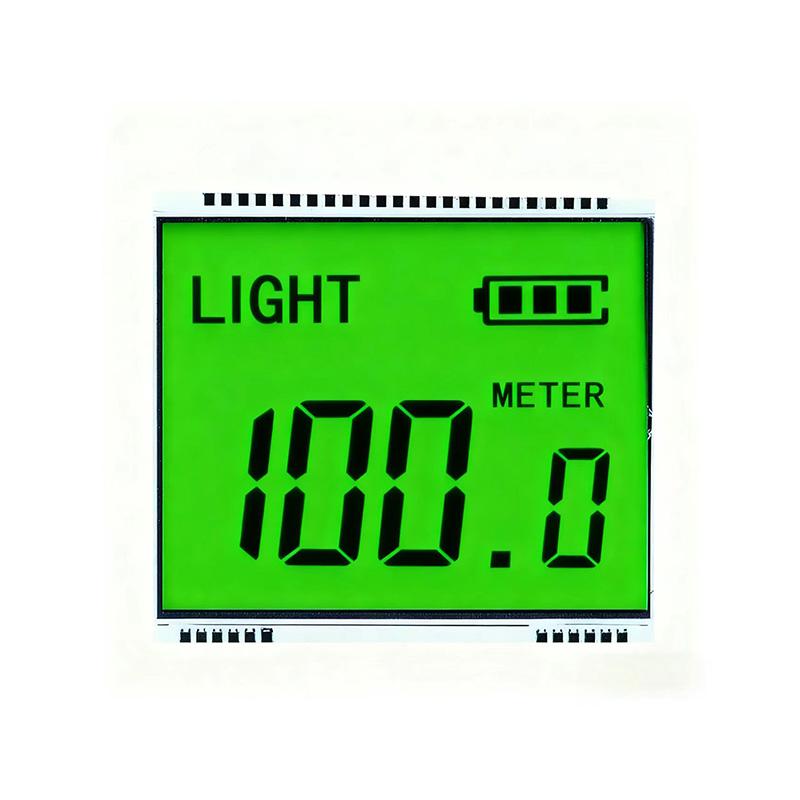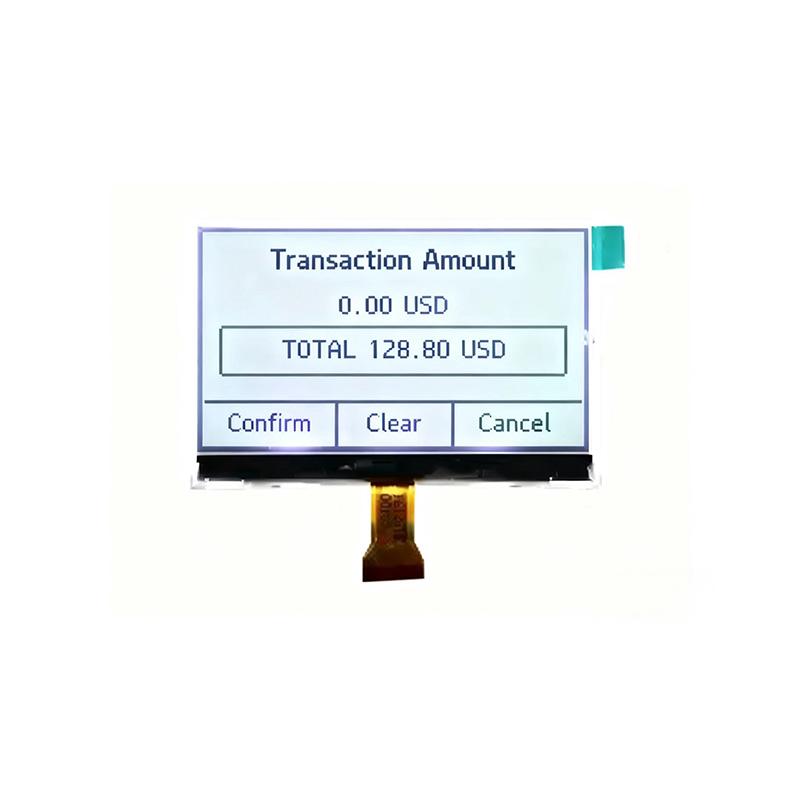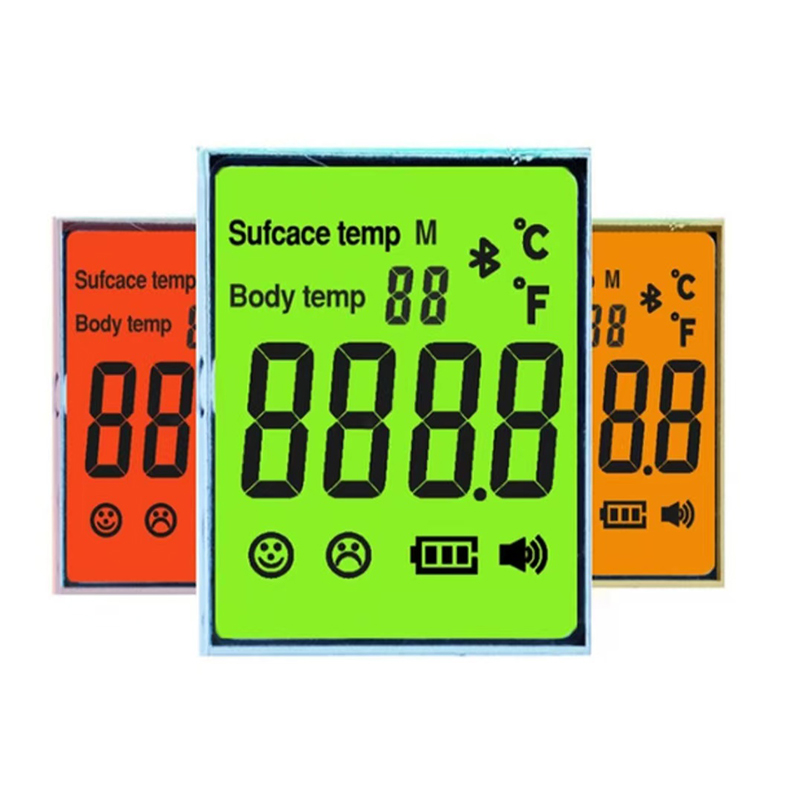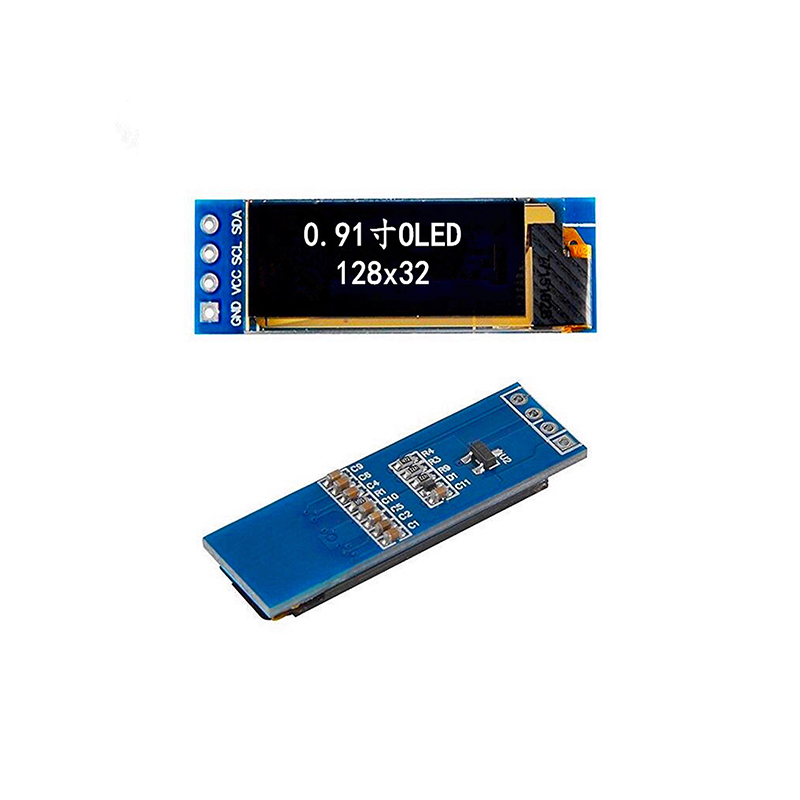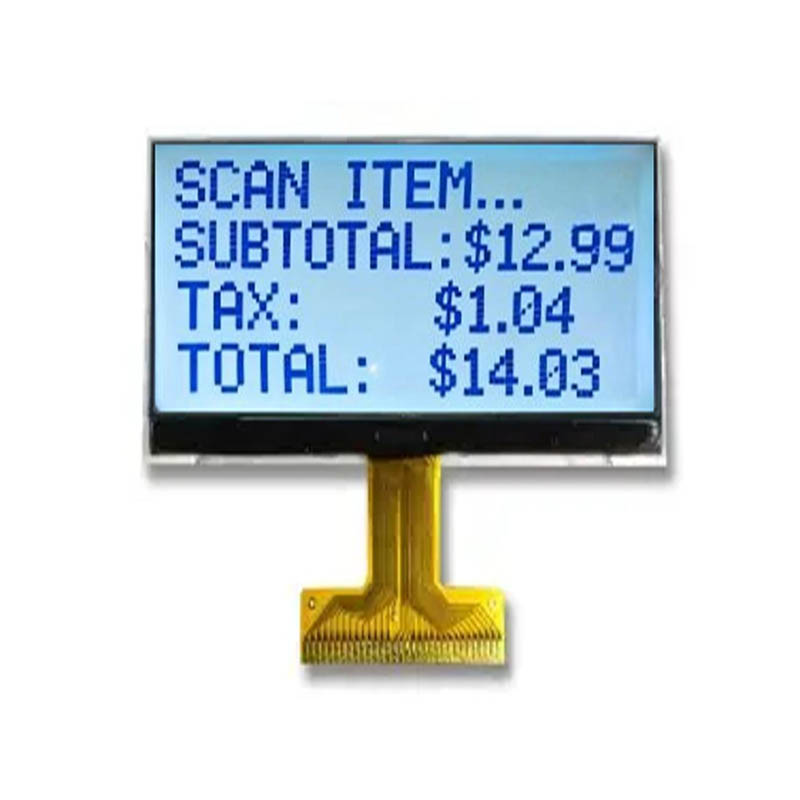
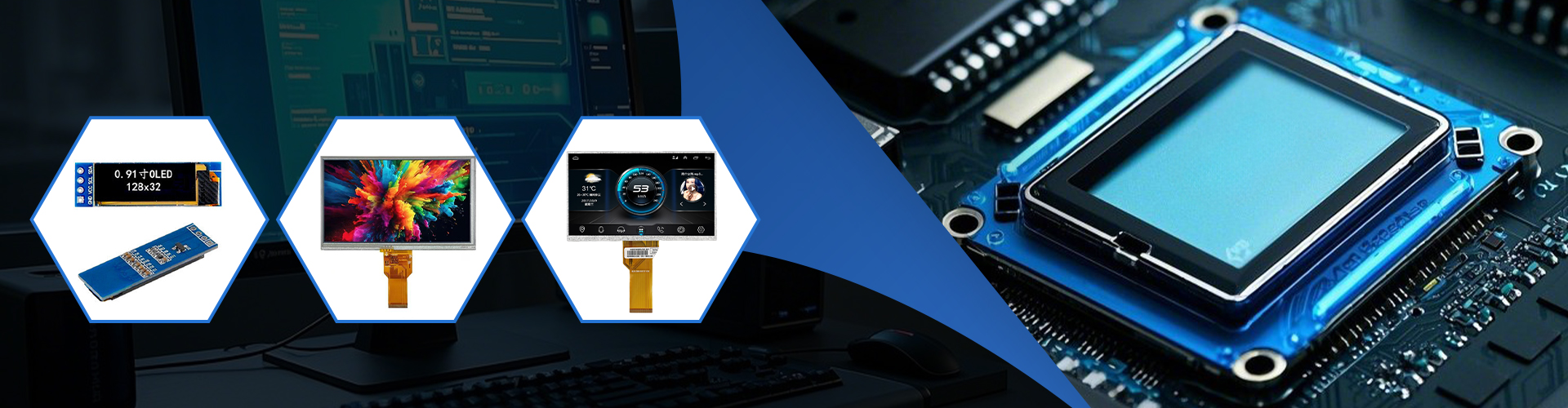
The world of Arduino OLED displays with I2C offers a wide variety of options. Selecting the perfect display hinges on your project's specific requirements. Key considerations include display size (e.g., 0.96-inch, 1.3-inch, 2.0-inch), resolution, color capabilities (monochrome or color), and power consumption. Many displays boast a simple I2C interface, simplifying integration with your Arduino.
I2C (Inter-Integrated Circuit) is a widely adopted communication protocol known for its simplicity and efficiency. Using just two wires (SDA and SCL), it allows for communication between multiple devices on a single bus. This makes it ideal for integrating various sensors and displays, like our Arduino OLED displays with I2C, into your projects without needing numerous digital pins on your Arduino.
Several manufacturers offer high-quality Arduino OLED display I2C products. Let's explore some popular options, highlighting their strengths and weaknesses:
| Display Model | Size | Resolution | Color | Pros | Cons |
|---|---|---|---|---|---|
| SSD1306-based Displays | Varied (0.96 - 2.0) | Varied (e.g., 128x64, 128x32) | Monochrome | Widely available, low cost, good documentation | Limited color options |
| ST7735-based Displays | Varied (1.8 - 3.5) | Varied (e.g., 128x160, 240x320) | Color | Color support, higher resolution options | Generally more expensive |
Integrating a Arduino OLED display I2C is straightforward. You'll need the appropriate libraries (often Adafruit_SSD1306 or similar), wire the display according to its datasheet (VCC, GND, SDA, SCL), and then use the library functions to control the display's content. Remember to adjust the I2C address if necessary, referring to your specific display’s documentation. For advanced features, explore the extensive capabilities of the chosen library.
Occasionally, you might encounter issues. Common problems include incorrect wiring, I2C address conflicts, or library compatibility problems. Always double-check your connections, ensure proper I2C addressing, and use the correct library for your specific display. Online forums and communities provide ample resources for resolving these issues.
Selecting and implementing an Arduino OLED display I2C significantly enhances your embedded system projects. This guide provides a foundation for successful integration. Remember to carefully choose the display based on your project’s needs and consult the respective datasheets and libraries for specific instructions and troubleshooting tips. For a wider range of display options, consider exploring Dalian Eastern Display Co., Ltd. – a reputable provider of high-quality LCDs and OLEDs.