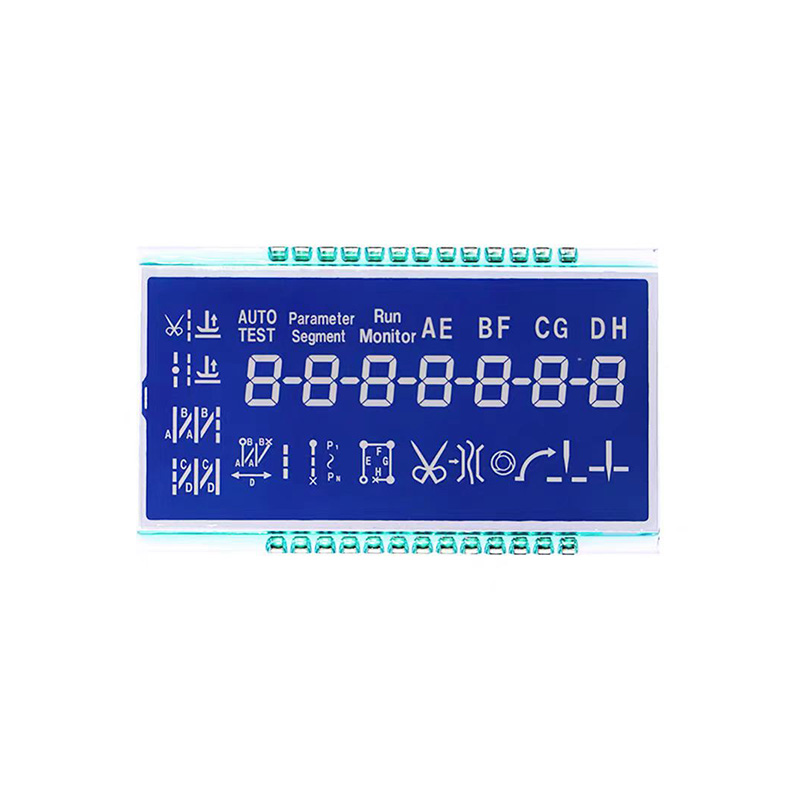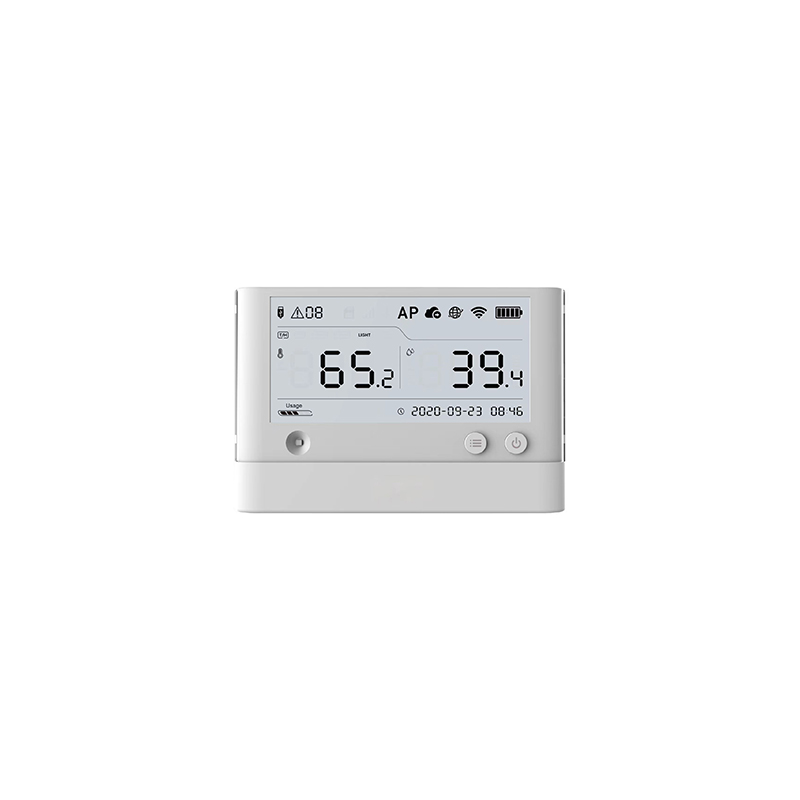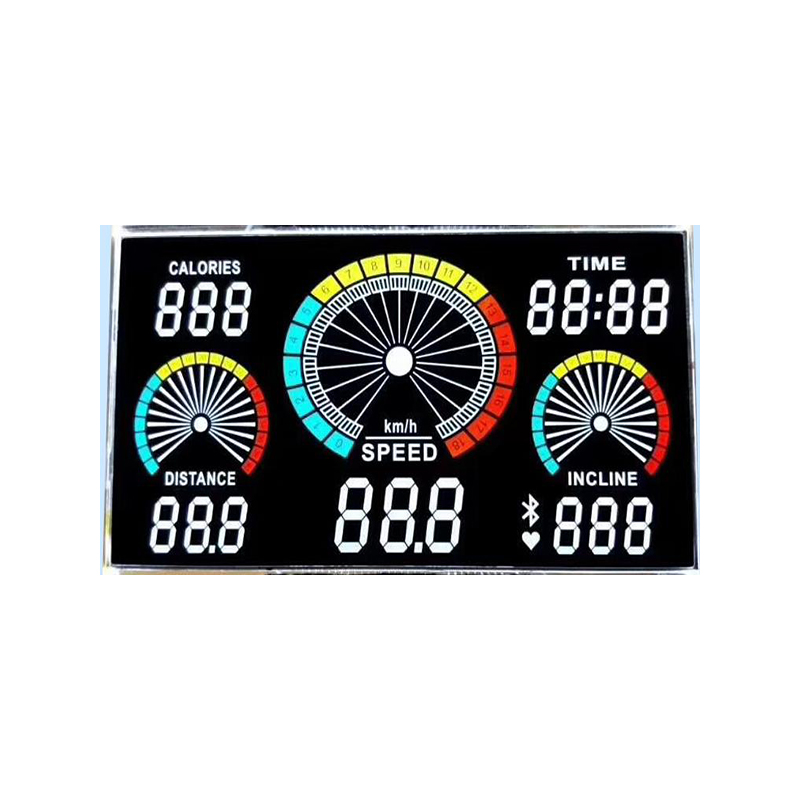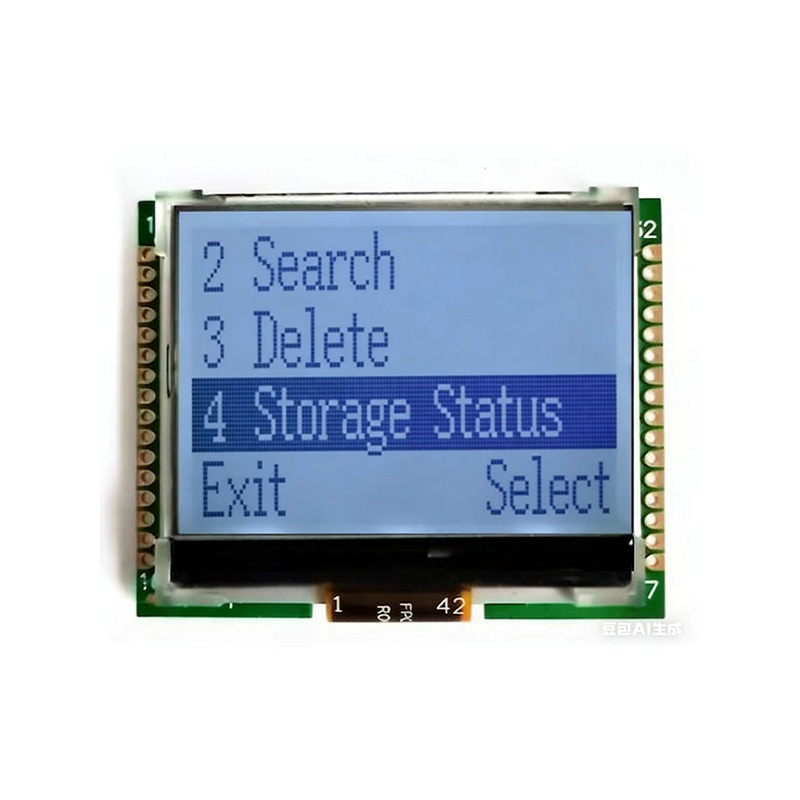
This guide provides comprehensive solutions for exiting full-screen mode on your Arduino Due TFT display. We'll cover various scenarios, troubleshooting steps, and best practices to ensure a smooth user experience. Learn how to effectively manage screen states and seamlessly transition between different display modes.
Full-screen mode, often used for displaying images or applications that require the entire screen real estate, can sometimes need to be exited to return to a menu, display other information, or handle user input. The method for exiting full-screen mode varies based on your specific TFT library and how your application is structured. This guide focuses on practical solutions for common Arduino Due TFT display exit scenarios.
Many TFT libraries provide functions specifically designed to manage display modes. For instance, if you're using the Adafruit_GFX library alongside a specific TFT driver, there might be a function like exitFullScreen() or a similar method to revert to a default or previous display state. Consult your library's documentation for specifics. Remember to check the library's examples for relevant code snippets to guide your implementation.
Alternatively, you might manage the display through direct buffer manipulation. This involves writing code to redraw specific sections of the screen or to clear the entire display, effectively ending the full-screen mode. This approach is more involved and requires a thorough understanding of how your TFT library interacts with the display's memory. The complexity depends on the library used. Using a well-documented library simplifies this process.
For more complex applications, consider using a state machine to manage different display states. This involves defining different states (e.g., full-screen, menu, settings) and transitions between them. When a user wants to exit full-screen mode, trigger the transition to the desired state, which updates the display accordingly.
If you experience a blank screen after attempting to exit full-screen mode, check the following:
If your application behaves unexpectedly after attempting to exit full-screen mode, meticulously review your code to identify any logical errors or conflicts with other parts of your program. Debugging tools can greatly aid in this process.
For optimal performance, minimize unnecessary redraws and buffer manipulations when exiting full-screen mode. Efficiently managing display resources will ensure a responsive and smooth user experience. Consider employing techniques such as double buffering to minimize screen flickering.
This snippet is a simplified illustration and may need adjustments depending on your specific TFT library and hardware setup. It demonstrates the concept of a state machine. Remember to replace placeholders with your actual function names and pin assignments.
void setup() { // Initialize TFT display}void loop() { switch (currentState) { case FULLSCREEN: // Fullscreen display content if (exitButtonState) { currentState = MENU; } break; case MENU: // Display menu content break; }}Successfully managing full-screen mode on your Arduino Due TFT display requires understanding your chosen library and employing appropriate techniques. By following these guidelines and troubleshooting steps, you can ensure a smooth and seamless transition between different display states in your applications. Remember to always refer to the documentation of your specific TFT library for detailed instructions and examples. For high-quality TFT displays and components, consider exploring options from reputable suppliers like Dalian Eastern Display Co., Ltd. to ensure optimal performance in your projects.
1 Adafruit_GFX Library Documentation (Specific links to relevant sections would be included here if available)