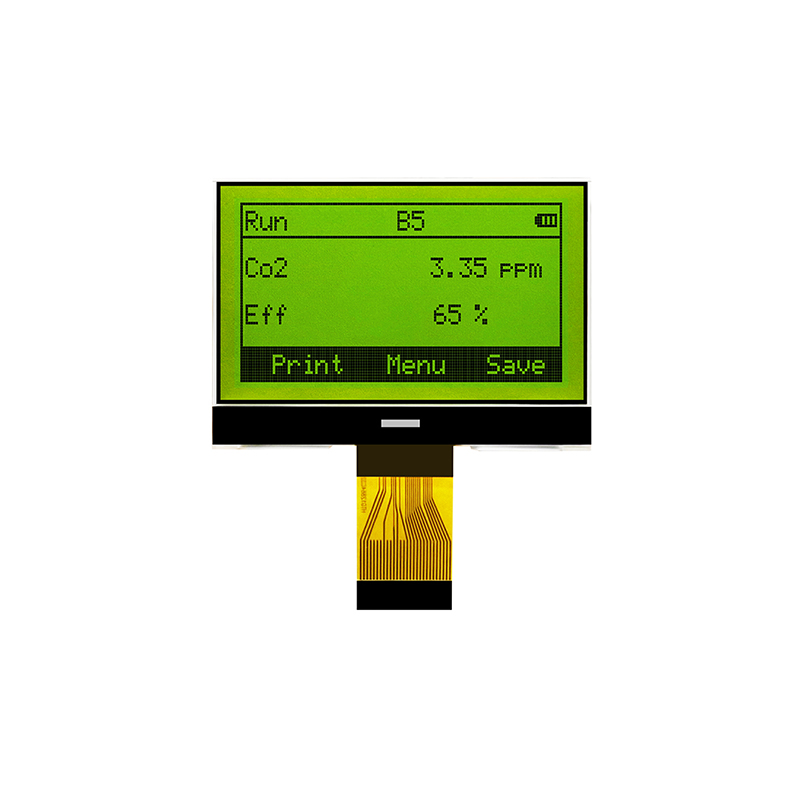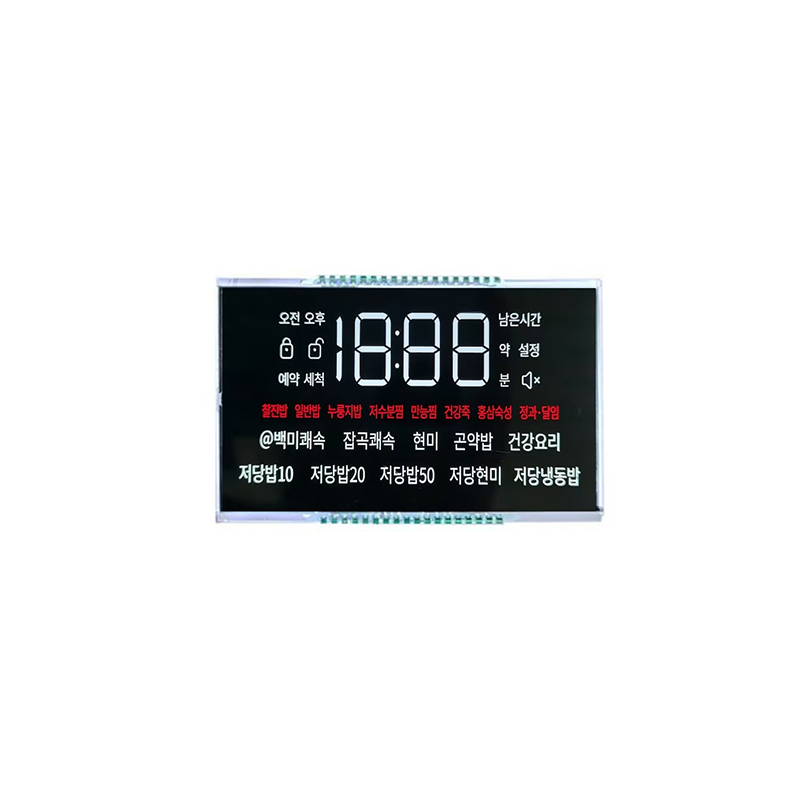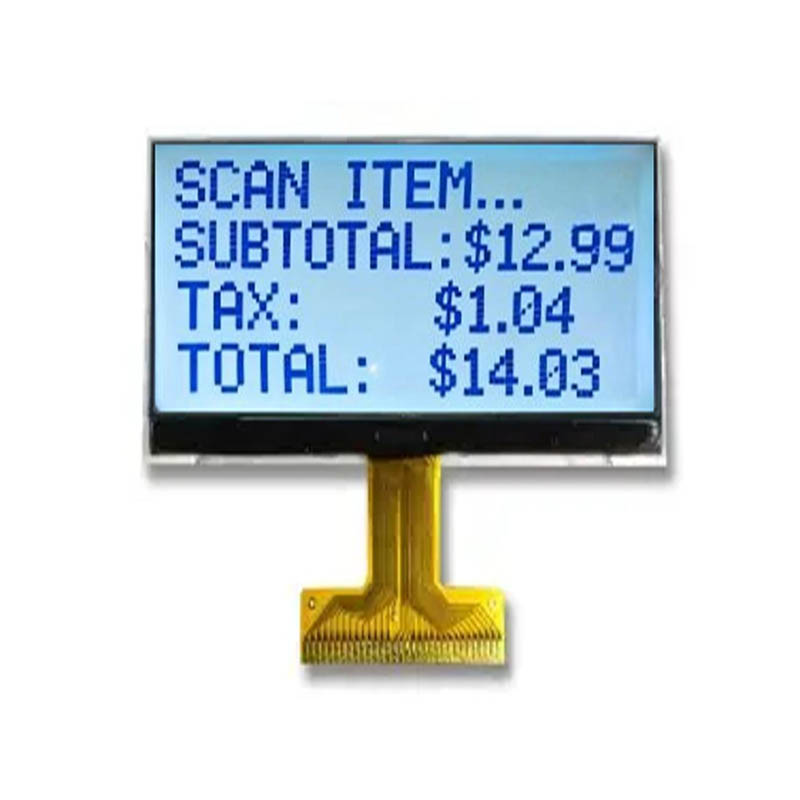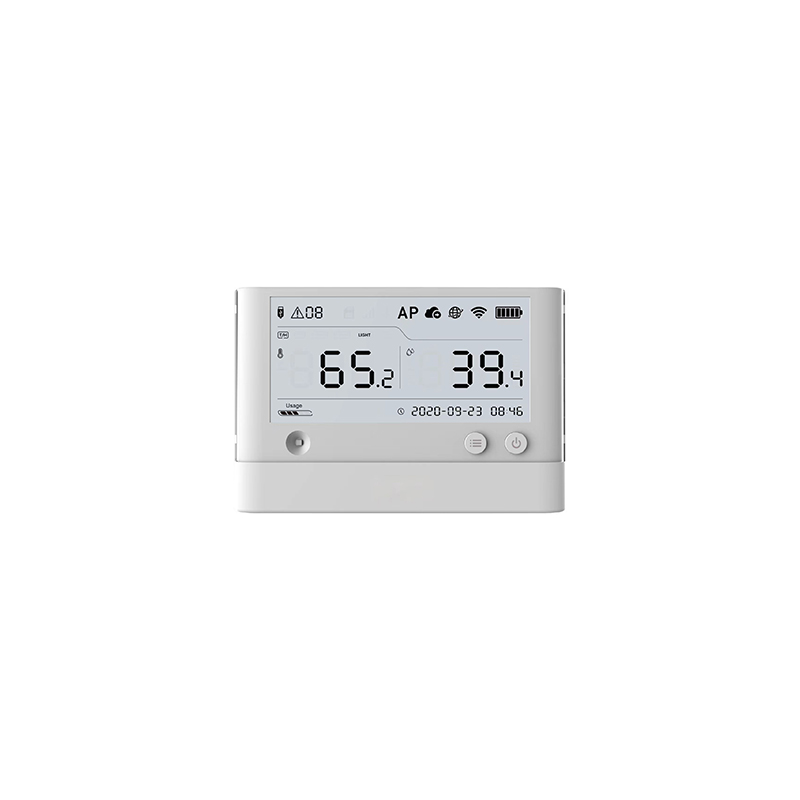
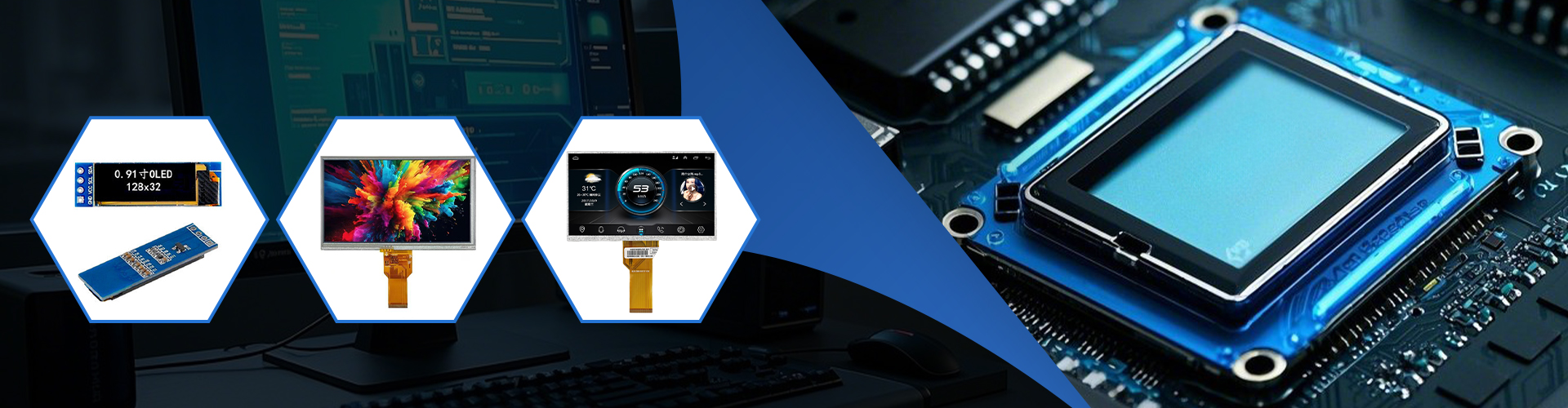
The market for small-sized OLED displays is booming, driven by the demand for high-quality visuals in wearable devices, medical equipment, and industrial applications. Among these, the 1.3 OLED display stands out as a popular choice due to its compact size and impressive visual performance. This comprehensive guide will dissect this technology, providing insights into its capabilities and limitations.
Before delving into the specifics of 1.3 OLED displays, let's briefly review the fundamental principles of OLED (Organic Light-Emitting Diode) technology. Unlike LCDs which require a backlight, OLED pixels emit light directly, resulting in superior contrast ratios, deeper blacks, and wider viewing angles. This self-emissive property contributes significantly to the vibrant and lifelike images produced by OLED screens.
Selecting the perfect 1.3 OLED display involves considering several crucial factors:
Resolution determines the sharpness and clarity of the image. Higher resolutions result in crisper visuals, but also increase power consumption. The pixel density (pixels per inch or PPI) impacts the perceived sharpness. For a 1.3 OLED display, the optimal resolution and PPI will depend on the specific application.
Brightness (measured in nits) defines the screen's luminance, while contrast ratio refers to the difference between the brightest white and darkest black. Higher brightness is essential for outdoor visibility, while high contrast enhances image depth and detail. Consider the typical viewing environment when selecting a 1.3 OLED display.
Power consumption is a critical factor, particularly for battery-powered devices. Lower power consumption translates to longer battery life. The power consumption of a 1.3 OLED display will vary depending on factors like brightness, resolution, and active pixels.
1.3 OLED displays find their applications in a wide range of sectors:
For high-quality 1.3 OLED displays and other display solutions, consider exploring reputable suppliers such as Dalian Eastern Display Co., Ltd.. They offer a wide range of display options to suit various needs. Remember to carefully review specifications and compare options from different suppliers before making a purchase.
| Feature | OLED Display | LCD Display |
|---|---|---|
| Contrast Ratio | Infinite:1 | 1000:1 to 1500:1 |
| Viewing Angle | 178° | 160° |
| Response Time | 1ms | 5ms-10ms |
Remember that the specific features and capabilities of a 1.3 OLED display will vary based on the manufacturer and model. Always consult the manufacturer's specifications for detailed information.
This information is for general guidance only and should not be considered professional advice. Always conduct your own thorough research before making any purchasing decisions.